Once people understand grocery store layout psychology, it becomes much easier to recognize the subtle ways these environments shape shopping decisions every day.
Most people think grocery store layouts are simply practical. Produce goes in one section, dairy somewhere else, frozen foods along the walls, and checkout lanes near the exit. In reality, grocery stores are carefully engineered environments designed to influence how shoppers move, what they notice, how long they stay, and ultimately how much they buy.
Everything from lighting and music to shelf placement and aisle organization involves strategic psychological planning. Grocery stores are not random collections of products. They are highly optimized spaces built around customer behavior patterns developed through decades of retail research.
The Entrance Sets the Emotional Tone
Many grocery stores intentionally place fresh produce, flowers, or bakery sections near the entrance.
These areas create positive sensory experiences immediately through bright colors, pleasant smells, and visual abundance. Fresh fruits, vegetables, and baked goods communicate freshness and quality before shoppers even reach the main aisles.
This emotional setup matters psychologically.
When people enter a pleasant environment, they tend to relax and spend more time browsing. Positive first impressions also increase the likelihood of impulse purchasing later in the trip.
Stores often avoid placing utilitarian or less visually appealing products near entrances because emotional atmosphere influences shopping behavior from the very beginning.
The goal is to create comfort and optimism before customers start making purchasing decisions.
Read Why Airports Feel Different From Other Places for insight into emotional spaces.
Essentials Are Usually Placed Far Apart
One of the most recognizable grocery store strategies involves separating common essentials.
Milk, eggs, bread, meat, and other high-demand products are often placed in different areas of the store intentionally rather than grouped for convenience.
This design increases exposure.
When shoppers must walk across multiple aisles to gather essentials, they encounter far more products along the way. Increased exposure naturally creates more opportunities for impulse purchases.
Retail research consistently shows that people buy more when they spend longer periods moving through stores.
Even small unplanned purchases add up significantly over time, which is why stores carefully design traffic flow instead of simply maximizing efficiency for customers.
Shelf Placement Influences Attention
Where products appear on shelves strongly affects purchasing behavior.
Eye-level placement is particularly valuable because shoppers naturally notice products positioned within comfortable visual range first. Brands often pay premium fees for these locations because visibility directly influences sales.
Children’s products are frequently placed at lower heights aligned with kids’ eye levels, especially cereals, snacks, and colorful packaging.
Stores also use shelf organization strategically to shape perception. Premium products may appear alongside lower-cost alternatives to create a price contrast that influences perceived value.
Many shoppers assume that purchasing decisions are fully rational, but visual placement constantly and often subconsciously affects attention.
The store environment quietly guides what people notice first.
Explore The Hidden Psychology of Colors in Marketing for more on visual attention.
Endcaps and Displays Encourage Impulse Buying
The displays positioned at the ends of aisles, commonly called endcaps, are among the most valuable spaces in retail.
These areas attract attention naturally because they interrupt visual patterns and remain highly visible from multiple directions.
Stores frequently place seasonal products, promotional items, snacks, beverages, or high-margin goods in these locations because they encourage strong impulse buying.
Checkout lanes function similarly.
Candy, drinks, magazines, and small convenience items near registers target shoppers during waiting periods when attention is less focused and resistance to small purchases decreases.
These strategies work partly because decision fatigue increases throughout shopping trips. The more choices people make, the more mentally depleted they become, which makes impulse decisions more likely later in the experience.
See Why Every Generation Thinks Their Childhood Was Better for insight into emotional cues.
Store Layouts Encourage Slower Movement
Grocery stores often subtly encourage slower pacing.
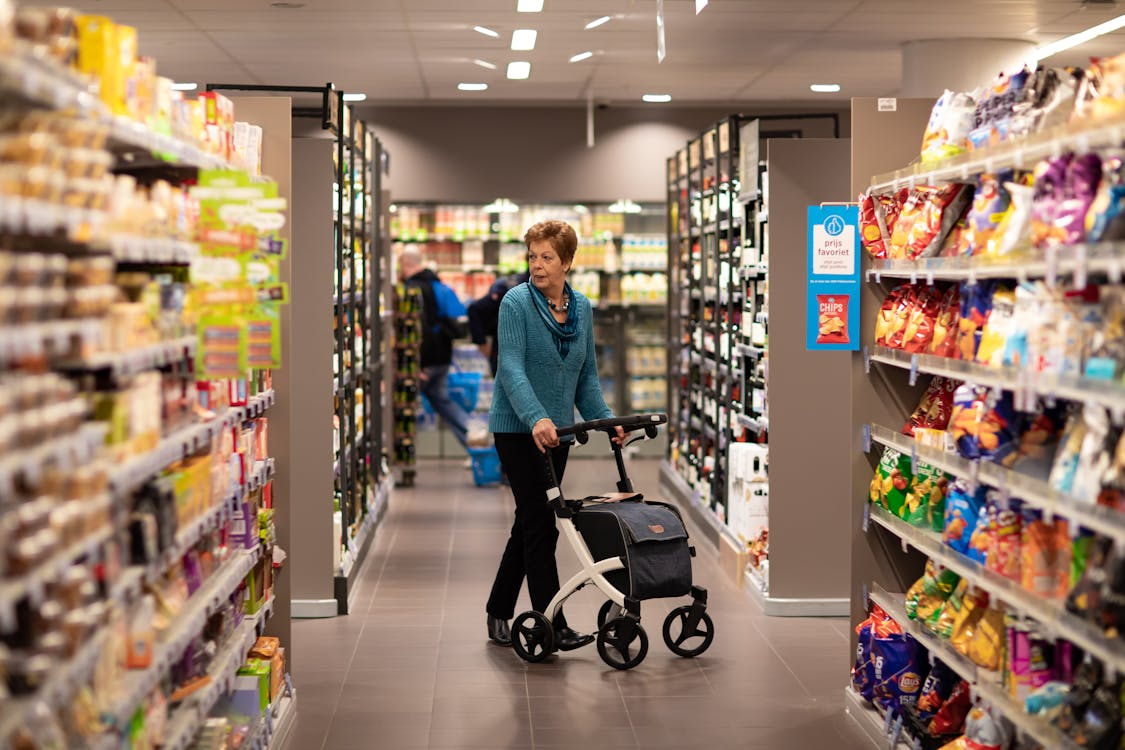
Wide aisles, carefully arranged displays, music, lighting, and product placement all influence the speed of movement. Slower shoppers notice more products and spend more time inside the store overall.
Many stores also avoid perfectly straight sightlines because slightly curved or segmented layouts encourage exploration.
Background music matters too. Slower music can reduce walking speed and increase browsing time. Lighting influences mood and product appeal, especially in fresh-food areas.
Even shopping carts contribute psychologically. Larger carts make purchases appear smaller relative to available space, subtly encouraging customers to buy more before the cart feels “full.”
The overall environment is designed to maximize comfort, attention, and purchasing opportunity simultaneously.
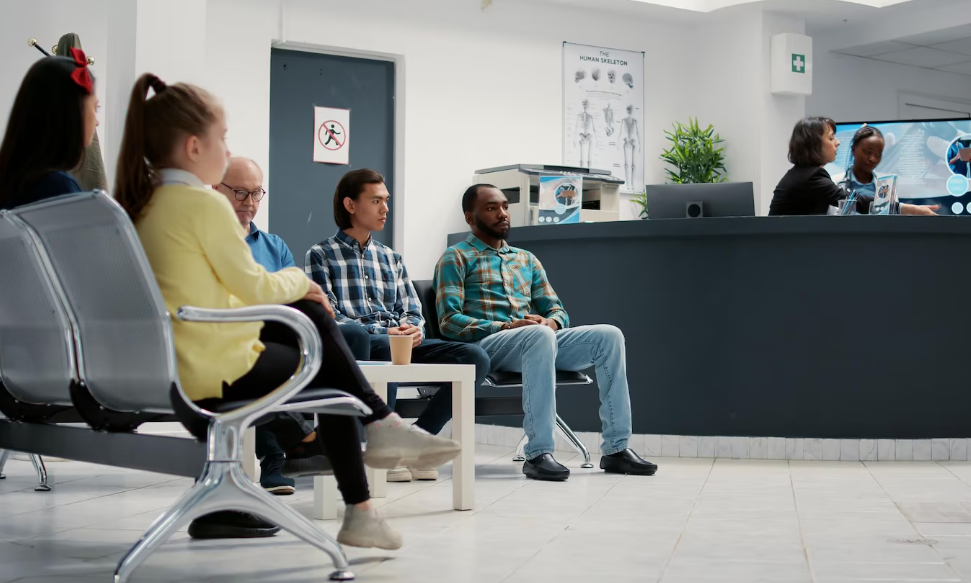
Check Why Waiting Rooms Feel So Uncomfortable for more on space and behavior.
Grocery Stores Reflect Consumer Psychology
The design of grocery stores reveals how deeply retail environments rely on behavioral psychology.
Stores are built around predictable human tendencies: visual attention patterns, impulse behavior, emotional reactions, habit formation, and decision fatigue.
Importantly, these strategies are not necessarily manipulative in a malicious sense. Grocery stores still need to organize thousands of products efficiently for practical shopping.
However, profit incentives strongly influence how that organization operates.
The modern grocery store evolved over decades of careful observation of customer behavior and optimization of environments around those patterns.
Once shoppers recognize these design strategies, everyday grocery trips often feel very different. The store stops looking random and starts looking intentional.
Every aisle, display, smell, and shelf placement exists for a reason.