
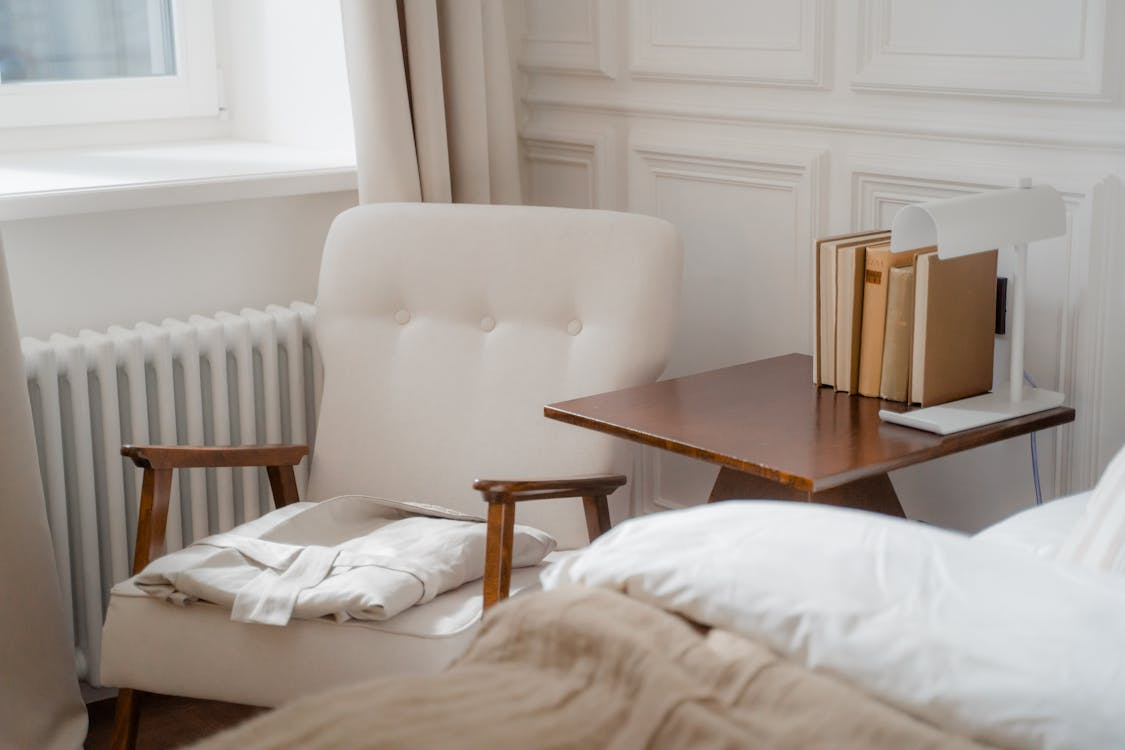
People instinctively respond to certain environments with feelings of comfort, safety, and emotional calm. Soft lighting, warm textures, enclosed seating areas, fireplaces, blankets, quiet cafés, rainy-day interiors, and intimate rooms often create immediate emotional appeal even before people consciously analyze why.
These environments are commonly described as “cozy.”
The attraction to cozy spaces is not just aesthetic preference. It reflects deep psychological and neurological responses tied to safety, warmth, social connection, and stress reduction. In fast-paced, noisy, stimulating, and uncertain modern environments, cozy spaces offer emotional relief and a sense of protection.
Humans are drawn to coziness because the brain interprets certain environments as emotionally restorative.
Cozy Spaces Signal Safety
One of the strongest psychological effects of cozy environments is the feeling of safety.
Throughout human history, warm shelter and protected spaces were directly connected to survival. Enclosed environments shielded people from weather, danger, and uncertainty.
Modern cozy spaces still activate some of those instincts.
Soft lighting, smaller enclosed areas, warm temperatures, and comfortable textures all reduce environmental vigilance because the brain perceives the surroundings as secure and non-threatening.
This is one reason many people prefer corner seating, window nooks, booths, or partially enclosed spaces in cafés and restaurants. Protected positioning creates subconscious emotional reassurance.
The brain relaxes more easily in environments that feel physically and emotionally contained.
Read Why Airports Feel Different From Other Places for insight into emotionally charged spaces.
Lighting Strongly Affects Emotional Atmosphere
Lighting plays a major role in why spaces feel cozy.
Harsh overhead lighting often feels emotionally cold or overstimulating because it increases visual intensity and environmental alertness. Softer lighting creates the opposite effect by reducing stimulation and encouraging relaxation.
Warm-toned light, candles, fireplaces, string lights, and lamps all create lower-contrast visual environments that feel calmer psychologically.
Darkness also creates intimacy. Spaces with softer lighting naturally encourage slower conversation, reduced stress, and quieter behavior.
This is one reason cozy environments frequently rely on layered lighting rather than bright uniform illumination.
The emotional tone of a space changes dramatically depending on how light interacts with attention and mood.
Explore Why Grocery Stores Are Designed the Way They Are for more on environmental design cues.
Texture and Warmth Create Comfort
Humans respond strongly to tactile experience.
Blankets, soft fabrics, rugs, wood textures, cushions, and warm materials create physical comfort while also reinforcing emotional warmth psychologically.
Texture matters because the brain associates soft, warm environments with rest.
Cold, hard, sterile spaces often have the opposite effect, making people feel emotionally distant or overly functional.
Warmth itself influences social and emotional perception as well. Research suggests physical warmth can subtly increase feelings of trust, openness, and emotional closeness.
This helps explain why cozy environments often emphasize softness, layered materials, and physical warmth simultaneously.
The body and mind respond together to environmental comfort.
Cozy Spaces Reduce Cognitive Overload
Modern life exposes people to enormous sensory stimulation.
Notifications, traffic, screens, noise, advertisements, crowded environments, and constant information compete for attention continuously throughout the day.
Cozy spaces often provide sensory contrast to that overstimulation.
They reduce visual complexity, soften environmental intensity, and encourage slower pacing. Quiet rooms, rain sounds, fireplaces, bookshelves, plants, and gentle ambient music all contribute to calmer mental states by reducing cognitive pressure.
Many people experience cozy environments as emotionally restorative because the brain no longer needs to remain hyper-alert.
The nervous system shifts toward relaxation rather than constant stimulation.
Nostalgia Enhances the Feeling of Coziness
Cozy spaces also connect strongly to nostalgia.
Many individuals associate certain environments with childhood memories, family routines, holidays, reading during storms, warm kitchens, or emotionally secure periods of life.
As a result, cozy aesthetics often trigger emotional familiarity beyond the physical environment itself.
Rainy-day cafés, cabins, bookstores, libraries, autumn decorations, and holiday lighting often feel comforting, partly because they reactivate positive emotional memories.
This explains why cozy aesthetics became especially popular online during stressful periods. Familiarity and emotional warmth provide psychological reassurance during uncertainty.
Coziness is often an emotional memory made physical.
See Why Every Generation Thinks Their Childhood Was Better for more on nostalgic comfort.
Social Connection Feels Easier in Cozy Spaces
The environment strongly affects social behavior.
Large bright spaces may encourage movement and activity, while cozy spaces encourage conversation, stillness, and emotional openness.
Smaller environments with soft lighting and comfortable seating naturally reduce social tension because they feel less exposed and more intimate.
This is one reason cafés, lounges, reading rooms, and cozy restaurants often become emotionally meaningful gathering places.
People tend to feel more emotionally present and connected in environments that reduce distraction and overstimulation.
Cozy spaces create conditions where human interaction feels slower and more focused.
Check The Science of First Impressions for insight into social comfort cues.
Modern Culture Increased the Appeal of Coziness
The growing popularity of cozy aesthetics reflects broader cultural exhaustion with speed and overstimulation.
As digital life became louder, faster, and more fragmented, many people began craving environments that felt emotionally calming and physically grounding.
This explains the rise of cozy internet trends involving reading nooks, warm lighting, cottagecore aesthetics, slow living, rainy-day ambiance, and comfort-focused home design.
Coziness represents emotional refuge.
Importantly, people are not usually seeking perfection in cozy spaces. They are seeking comfort, softness, familiarity, and relief from environmental intensity.
Humans are drawn to cozy spaces because those environments quietly communicate something the nervous system deeply values: safety, warmth, rest, and emotional calm.