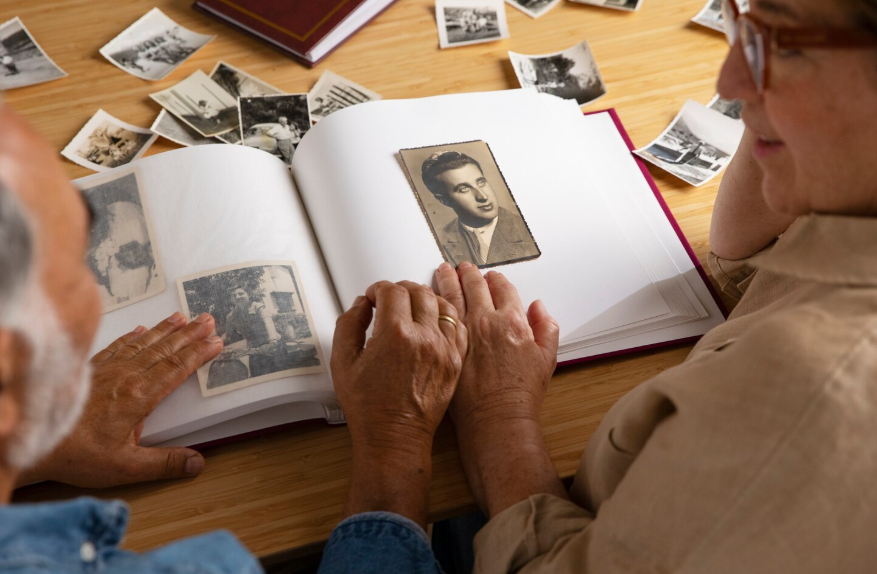
Whether discussing music, television, toys, movies, fashion, technology, schools, or everyday life, people often look back on childhood with a sense of emotional superiority over the present.
Why every generation misses their childhood often has less to do with objective reality and more to do with how memory and emotion change over time. Almost every generation eventually reaches the same conclusion: things were better when they were growing up. Older generations criticize modern entertainment. Younger generations romanticize the early internet. People who grew up in the 1980s, 1990s, or early 2000s frequently describe their era as more authentic, more creative, or more enjoyable than the present.
This pattern repeats so consistently across history that it reveals something important about human psychology. The belief that one’s childhood was culturally better usually says less about objective reality and more about how memory, identity, and emotion work over time.
Childhood Memories Carry Emotional Weight
One major reason people idealize childhood is that early experiences become deeply emotionally encoded.
Music, movies, games, foods, television shows, and routines experienced during childhood often become strongly connected to feelings of safety, excitement, curiosity, family, friendship, and emotional discovery.
As people age, those memories gain emotional significance beyond the actual quality of the entertainment or culture itself.
A cartoon watched after school may feel special partly because it reminds someone of a particular stage of life, not necessarily because the show was objectively superior to modern programming.
The emotional atmosphere surrounding childhood powerfully shapes memory.
This helps explain why nostalgic experiences can feel unusually comforting and emotionally vivid years later.
Read The Return of Analog Hobbies in a Digital World for more on nostalgic offline habits.
Memory Naturally Filters Out Negative Details
Human memory is highly selective.
People tend to remember emotionally meaningful experiences more strongly while gradually forgetting many ordinary frustrations, limitations, or negative aspects of earlier periods.
This creates nostalgia bias.
For example, someone may remember simpler childhood summers while forgetting the boredom, social stress, limited entertainment options, or everyday inconveniences common in that era.
Likewise, people often romanticize older music, movies, or television because memory preserves standout experiences while filtering out much of the mediocre content that existed alongside them.
Every era contains both great and forgettable cultural material. Nostalgia compresses memory toward the highlights.
As a result, the past often feels more consistently magical in hindsight than it actually was.
Explore Why Humans Love Predicting the Future for insight into how people frame time.
Childhood Is Often Associated With Fewer Responsibilities
Another major factor is that childhood itself usually involves fewer adult pressures.
Even during imperfect circumstances, younger years often contain less financial stress, fewer long-term responsibilities, and greater freedom from adult uncertainty.
When people remember older cultural experiences fondly, they are often remembering how life felt emotionally during that period, not simply the media itself.
A video game, movie, or television show becomes tied to memories of friendships, free time, family routines, school vacations, or emotional simplicity.
The older people become, the more those earlier periods may appear emotionally lighter by comparison.
This emotional contrast reinforces the sense that the earlier culture was somehow “better.”
Technology Changed Cultural Experience
Rapid technological change also contributes heavily to generational nostalgia.
Each generation grows up with different media environments, communication styles, and entertainment rituals. As technology evolves, earlier experiences begin feeling unique and irreplaceable.
People who grew up before smartphones often remember more disconnected childhoods, physical social interaction, and slower media habits fondly. Younger generations may romanticize the early internet because it felt less corporate and algorithmically optimized than today’s platforms.
Importantly, nostalgia often intensifies during periods of rapid cultural acceleration.
When technology changes quickly, older experiences feel more emotionally distinct because they belong to worlds that no longer exist in the same form.
This creates a stronger generational identity around specific cultural periods.
See How People Consumed News Before Smartphones for more on pre-digital habits.
Shared Nostalgia Creates Social Bonding
Nostalgia is not only personal. It is also social.
Shared memories help generations build collective identity through common references, entertainment, trends, and experiences.
People bond over childhood television shows, school routines, music, internet culture, toys, or local traditions because those memories reinforce a sense of belonging.
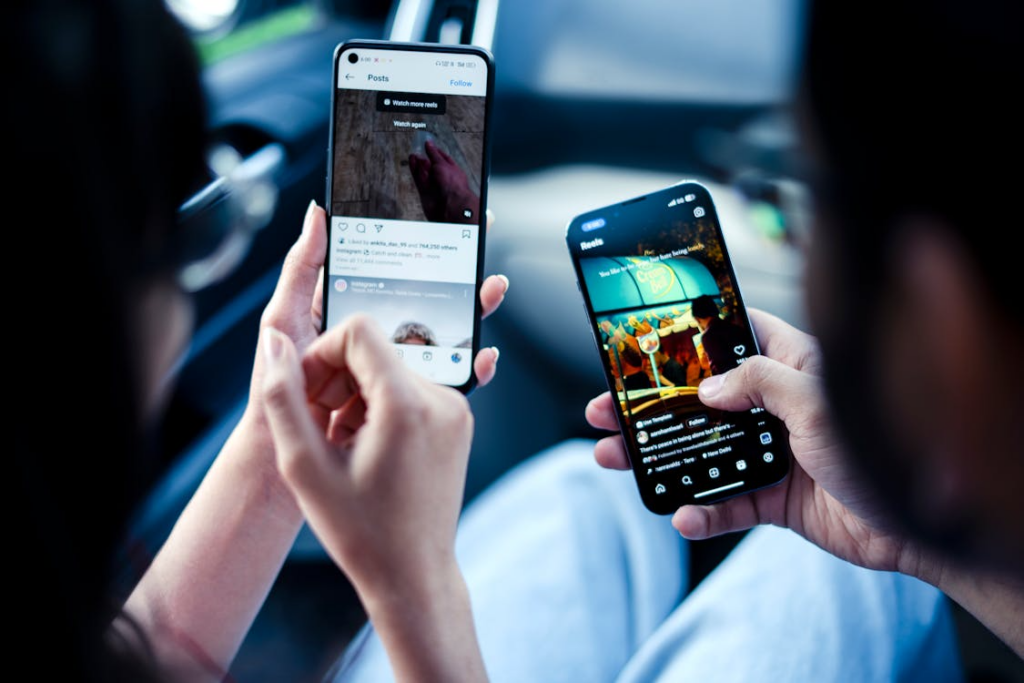
Online culture amplified this dramatically. Social media allows generations to continuously revisit and celebrate shared childhood experiences together through memes, videos, and nostalgia-driven communities.
This repeated reinforcement strengthens the perception that earlier eras were uniquely special.
The more people collectively romanticize a period, the more emotionally powerful that nostalgia becomes.
Check Why Online Communities Feel So Powerful for insight into shared identity.
Every Generation Repeats the Pattern
One interesting aspect of generational nostalgia is how predictable it has historically been.
People have complained about modern culture and idealized earlier eras for centuries. Every generation eventually views the world through comparisons between present-day complexity and remembered emotional simplicity.
This does not mean nostalgia is fake or meaningless. Childhood genuinely contains powerful emotional experiences that permanently shape identity.
However, it also means that perceptions of cultural decline are often deeply tied to aging, memory, and changing life perspective rather than objective evidence that everything used to be better.
Future generations will likely repeat the same pattern.
Today’s children may someday nostalgically defend current memes, apps, music, games, or internet culture against whatever comes next.
The belief that childhood was better persists because people are not only remembering culture. They are remembering who they were as they experience it.