Nostalgia trends always return because they never fully disappear. They evolve, reemerge, and take on new forms across generations.
Every few years, culture seems to rediscover something old and make it feel new again. Fashion trends return, classic television shows gain new audiences, vinyl records surge in popularity, and internet aesthetics from previous decades suddenly dominate social media feeds.
At first glance, nostalgia trends can feel repetitive or even predictable. Yet they continue to cycle back, generation after generation, because nostalgia itself fulfills deep psychological and emotional needs.
People are not only revisiting old trends because they like retro styles. They are often searching for comfort, familiarity, identity, and emotional connection in rapidly changing cultural environments.
Nostalgia Creates Emotional Comfort
One of the strongest psychological effects of nostalgia is emotional reassurance.
People naturally associate certain songs, movies, toys, fashions, or cultural periods with memories of safety, excitement, youth, or simpler stages of life. Revisiting those experiences can temporarily recreate feelings of familiarity and stability.
This emotional effect becomes especially powerful during periods of uncertainty or rapid social change.
When modern life feels stressful, overstimulating, or unpredictable, nostalgia offers a sense of continuity. Familiar aesthetics and memories feel emotionally grounding because they connect people to personal history.
This is one reason nostalgia trends often intensify during difficult economic periods, major cultural transitions, or moments of collective anxiety.
People frequently seek emotional refuge in the familiar when the present feels unstable.
Read Why ‘Comfort Content’ Became So Important for more on familiar emotional relief.
Every Generation Romanticizes Its Youth
Nostalgia trends continue because each generation eventually reaches the age when childhood memories begin to transform into cultural identity.
People often remember the emotional atmosphere of earlier life stages more fondly than the realities themselves. Music sounds better, television feels more meaningful, and entertainment appears more original in hindsight because memory filters out many ordinary or negative details.
This phenomenon is sometimes called nostalgia bias.
As generations age, they naturally revive the cultural symbols that shaped their early experiences. Eventually, those influences return through fashion, entertainment, design, advertising, and online trends.
This creates cycles in which styles from twenty or thirty years earlier suddenly feel culturally exciting again.
In many cases, younger generations then reinterpret those trends through modern technology and aesthetics, giving older ideas fresh appeal.
The Internet Accelerated Nostalgia Cycles
Digital culture dramatically increased the speed and visibility of nostalgia trends.
Earlier generations revisited old media more slowly because access was limited. Today, streaming services, social media archives, YouTube uploads, and online communities make past eras instantly accessible.
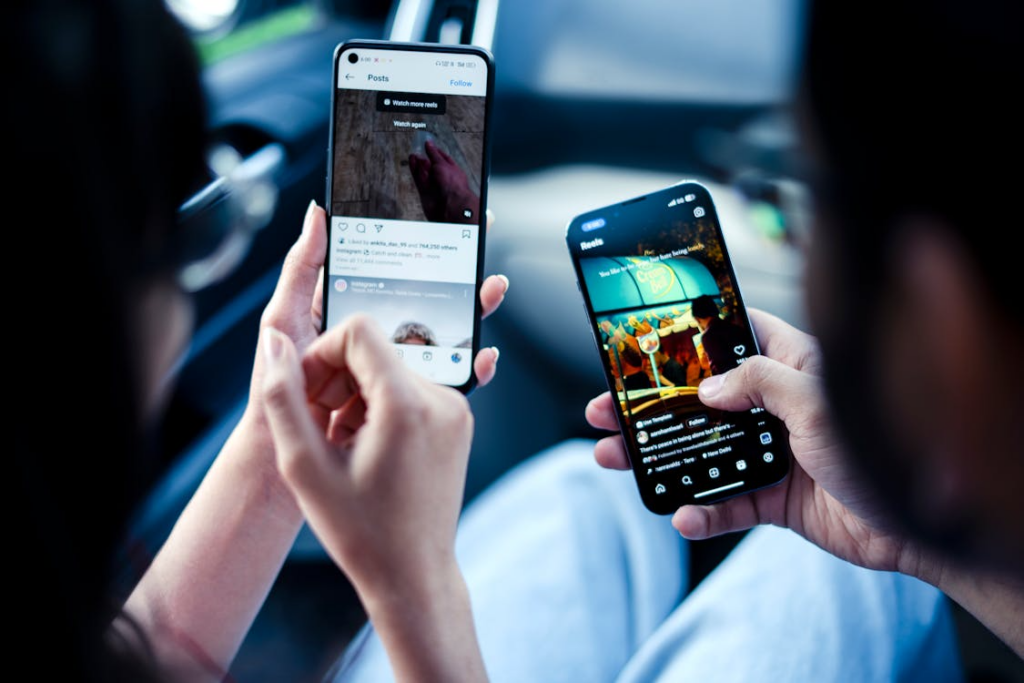
A television show from the 1990s can suddenly trend again because clips circulate on TikTok. Fashion aesthetics from the early 2000s can return rapidly through Instagram and Pinterest.
The internet also collapses generational barriers. Younger audiences now discover older music, films, and aesthetics continuously instead of only through family or traditional media exposure.
As a result, nostalgia no longer moves in predictable decade-by-decade patterns. Multiple eras can trend simultaneously online.
This creates a culture in which the past constantly coexists with the present.
Explore Why Certain Aesthetics Suddenly Explode Online for insight into visual trends.
Nostalgia Helps People Build Identity
Nostalgia trends are not only about memory. They also function as social and cultural identity markers.
People use nostalgic references to signal personality, taste, humor, or generational belonging. Shared memories create instant connection because they reinforce collective experiences.
For example, references to childhood cartoons, early internet culture, vintage video games, or old music formats often spark emotional recognition within online communities.
These shared references help people feel connected in increasingly fragmented digital environments.
Brands understand this dynamic as well. Companies frequently revive retro packaging, classic products, and familiar advertising styles because nostalgia increases emotional engagement and trust.
Familiarity feels psychologically safe, especially during periods of rapid cultural change.
See Why Every Generation Thinks Their Childhood Was Better to understand generational memory.
Modern Culture Moves So Fast That Nostalgia Arrives Earlier
One unusual feature of modern internet culture is how quickly nostalgia now develops.
Previous generations often revisited trends decades later. Today, people sometimes become nostalgic for experiences that happened only five or ten years ago.
Social media partly drives this acceleration by continuously documenting everyday life. Photos, videos, memes, and trends are permanently archived online, making recent experiences feel almost immediately like historical artifacts.
At the same time, fast-moving digital culture causes trends to burn out rapidly. Because online aesthetics change so quickly, people begin longing for “simpler” internet eras surprisingly fast.
This explains why even relatively recent platforms, games, apps, and online aesthetics already inspire nostalgic discussion.
The internet has dramatically shortened cultural memory cycles.
Check Why Trends Burn Out Faster Than They Used To for insight into cultural speed.
Nostalgia Reflects More Than the Past
While nostalgia appears focused on earlier eras, it often says just as much about the present.
People usually revive older styles, media, and aesthetics because something in current culture feels emotionally unsatisfying or exhausting.
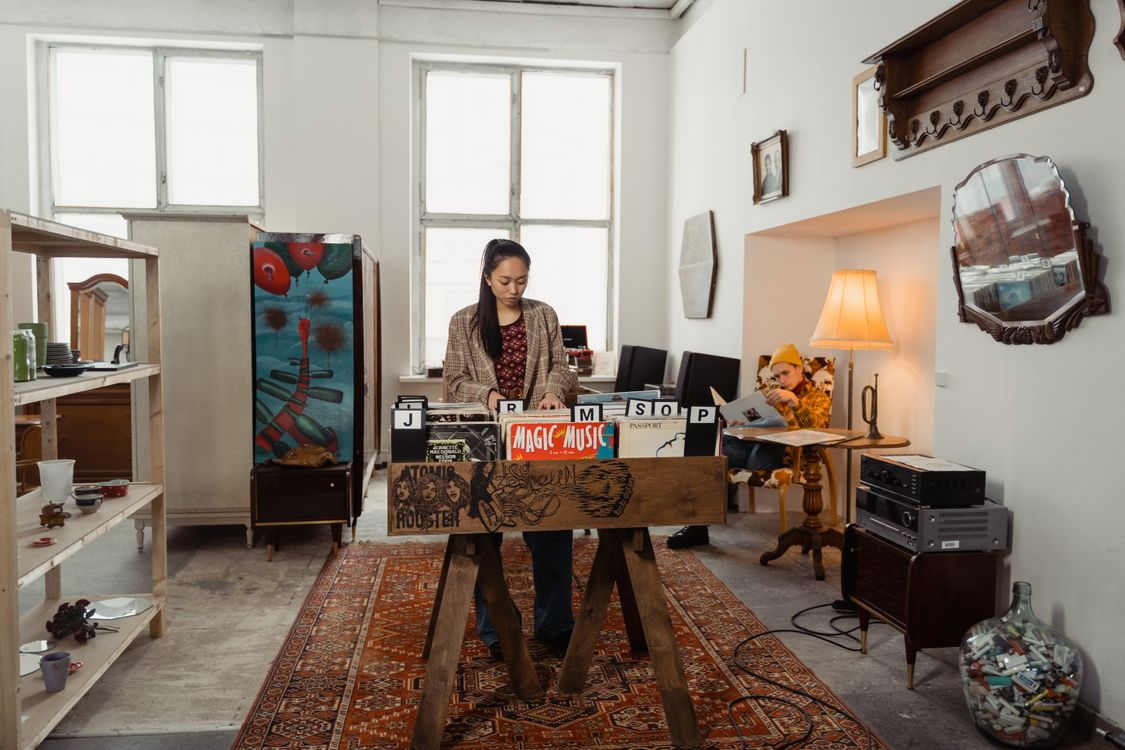
The appeal of analog hobbies, retro technology, cozy entertainment, and slower aesthetics often reflects modern fatigue with constant connectivity and overstimulation.
Nostalgia offers emotional contrast. It represents an imagined version of simplicity, authenticity, or emotional warmth that people feel modern culture sometimes lacks.
This does not mean the past was objectively better. It means memory selectively emphasizes experiences that feel emotionally meaningful.
Nostalgia trends never fully disappear because humans naturally seek continuity, familiarity, and emotional grounding. As technology and culture evolve faster, those desires may become even stronger.
The future is constantly changing, but people rarely stop looking back for comfort along the way.