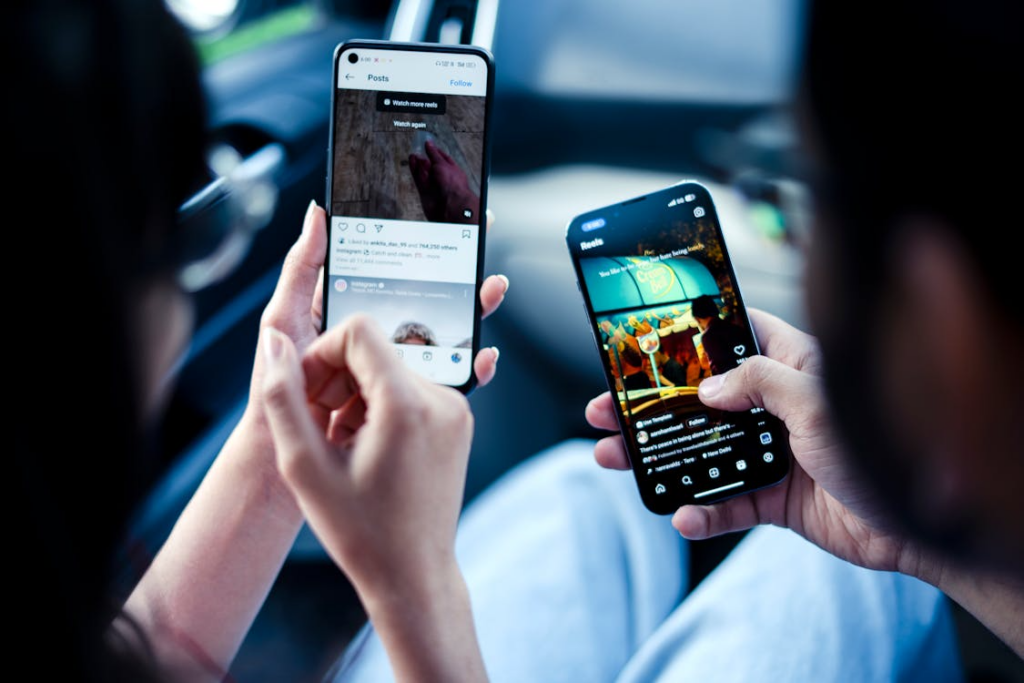

The reason why authenticity matters online reflects deeper cultural fatigue with hyper-curated digital environments and the emotional exhaustion created by constant performance culture.
For years, internet culture rewarded perfection. Influencers carefully curated every photo, brands polished every message, and social media feeds became increasingly filtered, optimized, and performance-driven. Over time, however, many audiences began pushing back against content that felt overly manufactured or emotionally artificial.
Audiences increasingly gravitate toward creators, brands, and personalities that appear honest, relatable, imperfect, and emotionally genuine. Whether discussing influencers, businesses, entertainment, or online communities, people consistently express a growing desire for “realness” online.
Today, authenticity has become one of the internet’s most valuable social currencies.
Social Media Originally Rewarded Perfection
Early social media platforms encouraged users to present idealized versions of their lives.
People shared carefully selected highlights, edited photos, achievements, vacations, and moments designed to create positive impressions. Influencer culture amplified this behavior dramatically by turning personal branding into a business model.
Over time, feeds became increasingly polished and aspirational.
While visually appealing, this environment also created psychological tension. Constant exposure to curated lifestyles encouraged comparison, insecurity, and the feeling that everyone else appeared happier, more successful, or more attractive.
Many users eventually recognized how performative these systems had become.
As awareness grew, audiences began valuing content that felt emotionally honest rather than perfectly controlled.
Read The Evolution of Celebrity Culture in the Internet Age for more on public image.
People Crave Relatability More Than Perfection
One reason authenticity became so important is that relatability creates a stronger emotional connection than perfection.
Audiences often trust creators and personalities more when they acknowledge mistakes, vulnerabilities, uncertainty, or ordinary experiences.
Imperfection feels human.
This does not mean audiences reject professionalism or quality entirely. Instead, many people now prefer content that feels sincere rather than excessively rehearsed or corporate.
Creators who appear approachable and emotionally transparent often build stronger long-term communities because followers feel they are interacting with real people rather than carefully engineered personas.
The internet became crowded with polished content. Authenticity stands out partly because it feels less common.
Explore The Science of First Impressions for insight into social judgments.
Younger Audiences Became More Skeptical
Digital-native generations grew up surrounded by advertising, influencer marketing, algorithmic content, and highly curated online identities. As a result, many users developed stronger instincts for recognizing performance and manipulation online.
Audiences became more skeptical of overly scripted messaging, excessive brand friendliness, and manufactured relatability.
This skepticism pushed creators and companies toward more casual communication styles. Brands increasingly use conversational language, behind-the-scenes content, humor, and less polished visuals to appear more human.
Influencers also shifted toward “unfiltered” content styles emphasizing realism, routine, vulnerability, or emotional openness.
Ironically, authenticity itself eventually became partially performative because audiences began expecting it.
Still, the broader trend reflects genuine cultural demand for communication that feels emotionally believable.
Constant Performance Culture Created Fatigue
One major reason authenticity resonates so strongly is that modern digital life often feels emotionally exhausting.
Social media encourages continuous self-presentation. Users constantly manage profiles, images, opinions, reactions, and social perception across multiple platforms.
This ongoing performance creates pressure to appear successful, interesting, attractive, informed, and emotionally composed at all times.
Over time, many people became tired of these expectations.
Authentic content offers relief because it lowers emotional tension. It creates spaces where imperfection, uncertainty, and ordinary experiences feel acceptable again.
This explains the growing popularity of casual creators, slower-paced content, candid storytelling, and less edited online aesthetics.
Audiences increasingly value emotional realism over polished presentation.
See Why Trends Burn Out Faster Than They Used To for more on digital fatigue.
Authenticity Builds Trust Online
Trust became one of the internet’s scarcest resources.
Misinformation, clickbait, artificial engagement, fake reviews, algorithmic manipulation, and heavily sponsored content all contributed to the rise of distrust online.
In response, authenticity became closely tied to credibility.
People often trust creators who speak transparently about sponsorships, admit uncertainty, acknowledge mistakes, or communicate in ways that feel emotionally consistent.
Brands that appear overly corporate or excessively polished sometimes struggle because audiences interpret those signals as emotionally distant or strategically manipulative.
Authenticity helps reduce psychological distance between audiences and online personalities.
This matters because digital relationships increasingly shape purchasing decisions, entertainment habits, political opinions, and a sense of community belonging.
Check Why Airports Feel Different From Other Places for insight into emotional environments.
Authenticity Is Becoming a Cultural Expectation
The demand for authenticity now influences nearly every corner of internet culture.
Podcasts prioritize conversational realism. TikTok rewarded spontaneous, low-production content. Brands increasingly emphasize transparency and behind-the-scenes communication. Audiences celebrate creators who appear emotionally honest and criticize those perceived as fake or overly calculated.
Even entertainment trends reflect this shift. Documentary-style storytelling, personal essays, candid interviews, and “day in the life” content all gained popularity partly because they feel more emotionally direct.
Importantly, authenticity does not necessarily mean complete transparency. Everyone still performs certain aspects of identity online.
What audiences usually want is emotional consistency, relatability, and communication that feels believable rather than excessively manufactured.
The internet spent years rewarding perfection, aspiration, and polished presentation. Increasingly, many people now value something simpler: content that feels human.