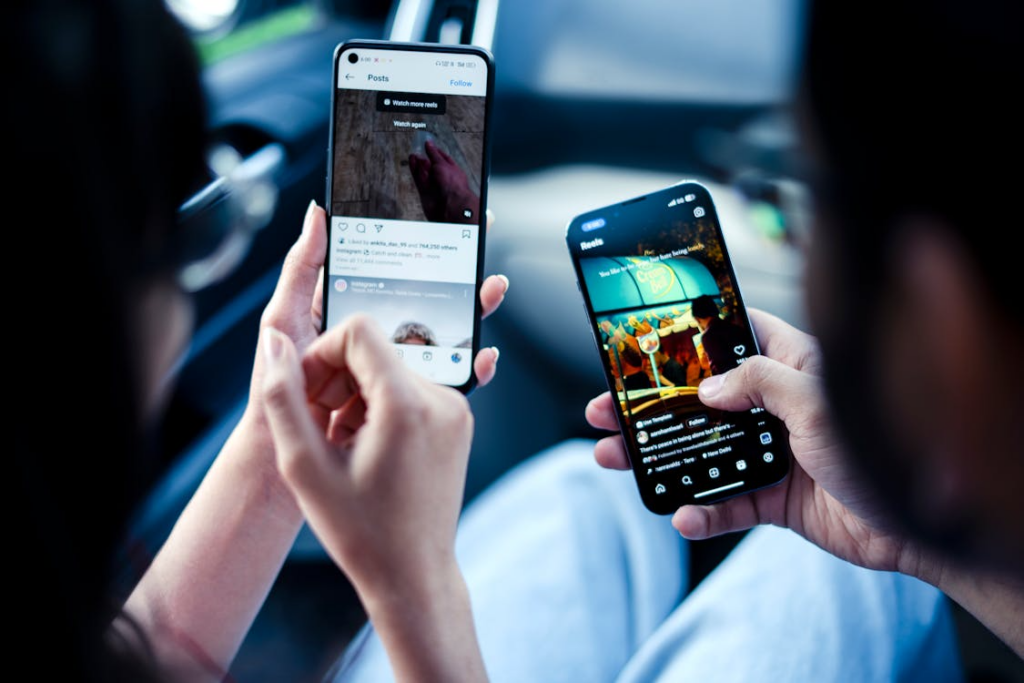

The internet did not eliminate celebrity culture. It decentralized, personalized, and intensified it.
Celebrity culture existed long before the internet, but digital technology transformed it completely. Understanding how the internet changed celebrity culture starts with the older system, when television networks, movie studios, magazines, and record labels largely controlled fame. Celebrities felt distant, carefully managed, and relatively inaccessible to the public.
Today, the relationship between audiences and fame looks very different.
Social media blurred the line between celebrities, influencers, creators, and ordinary users. Public figures now interact directly with audiences, share personal moments instantly, and maintain visibility continuously across multiple platforms. At the same time, internet culture accelerated fame cycles so dramatically that viral personalities can emerge overnight and disappear just as quickly.
Traditional Celebrity Culture Was More Controlled
Before social media, celebrity images were shaped heavily by gatekeepers.
Television appearances, magazine interviews, movie marketing campaigns, and paparazzi coverage largely determined how audiences perceived public figures. Celebrities often appeared polished, carefully scripted, and emotionally distant.
Access itself was limited. Fans usually experienced celebrities through scheduled media appearances rather than constant direct communication.
This created a stronger mystique around fame. Celebrities felt larger-than-life partly because audiences saw only selected portions of their lives.
Entertainment companies also controlled who received visibility. Becoming famous usually requires approval from industries such as film, television, publishing, music, or sports.
The internet disrupted that structure dramatically.
Read How People Consumed News Before Smartphones for earlier media habits.
Social Media Made Celebrities Feel Accessible
One of the biggest shifts in celebrity culture came from direct audience access.
Platforms like Instagram, X, TikTok, YouTube, and Twitch allow public figures to communicate with audiences continuously without relying entirely on traditional media outlets.
Fans now see behind-the-scenes content, casual updates, livestreams, personal opinions, and everyday routines shared directly by celebrities themselves.
This increased accessibility changed emotional relationships between audiences and public figures. Celebrities often feel more relatable and human because followers experience a curated version of intimacy online.
At the same time, this constant visibility reduced some of the mystery that once surrounded fame.
Modern celebrity culture often depends less on distance and more on perceived authenticity and continuous engagement.
Explore Why Everyone Wants More Authenticity Online for more on digital relatability.
Influencers Redefined What Fame Looks Like
The internet also expanded the pool of people who could become famous.
Traditional celebrity systems were once heavily centered on actors, musicians, athletes, and television personalities. Today, creators can build massive audiences around gaming, beauty tutorials, comedy, lifestyle content, commentary, podcasts, education, or niche interests.
This gave rise to influencer culture, where personal branding and audience connection often matter as much as traditional talent industries.
Many influencers become famous primarily because audiences feel emotionally connected to their personalities, routines, humor, or relatability.
The line between entertainment and ordinary life became increasingly blurred.
Internet fame often feels more participatory than traditional celebrity culture because creators interact directly with audiences through comments, livestreams, and ongoing digital presence.
Fame Became Faster and More Fragile
The internet accelerated fame cycles dramatically.
Social platforms can turn ordinary individuals into viral celebrities almost overnight through trending clips, memes, controversies, or algorithmic amplification.
However, this speed also makes fame less stable.
Earlier celebrity careers often developed gradually through long-term industry systems. Online visibility now fluctuates constantly based on algorithms, audience attention, platform trends, and public reaction cycles.
Many internet personalities experience rapid rises followed by equally rapid declines once trends shift or audiences move on.
The internet rewards novelty aggressively, which means attention itself has become highly volatile.
As a result, modern celebrity culture often feels faster, more reactive, and more emotionally intense than earlier eras.
Check Why Trends Burn Out Faster Than They Used To for faster attention cycles.
Audiences Expect Authenticity Now
Modern celebrity culture increasingly revolves around authenticity.
Audiences often prefer public figures who appear emotionally honest, relatable, vulnerable, or imperfect rather than excessively polished and distant.
This expectation reflects broader shifts in internet culture away from highly manufactured presentation styles.
Celebrities and influencers now face pressure to appear accessible while simultaneously maintaining carefully managed public brands. This creates complex performance dynamics in which “authenticity” itself sometimes becomes strategically curated.
Still, the emotional expectation remains powerful. Audiences want personalities who feel human rather than unreachable.
This shift changed everything from marketing strategies to public relations responses and fan interaction styles.
Celebrity Culture Became Constantly Participatory
The internet transformed audiences from passive observers into active participants in celebrity culture.
Fans now discuss, remix, react to, criticize, defend, and reinterpret celebrity behavior continuously online. Memes, commentary videos, fan communities, and social discourse all shape public perception in real time.
Public opinion evolves much faster because reactions spread instantly across platforms.
At the same time, celebrities themselves constantly monitor online conversations, which further blurs the boundary between performer and audience.
This participatory environment makes celebrity culture feel more immediate but also more emotionally volatile.
Scandals, controversies, fandom conflicts, and viral moments now unfold publicly at extraordinary speed.
The internet transformed celebrity culture from a relatively controlled media system into a nonstop interactive ecosystem shaped by algorithms, audience participation, and continuous visibility.
Fame became more accessible, more personal, more unstable, and more emotionally intertwined with everyday digital life.
Learn Why Online Communities Feel So Powerful for more on audience participation.