Trends burn out quickly because the systems distributing modern culture were designed for speed.
Fashion crazes, viral songs, internet memes, aesthetics, slang, and social media challenges all seem to rise and disappear at incredible speed today. A trend can dominate online conversation for a few weeks, or sometimes just a few days, before audiences move on to the next thing competing for attention.
Earlier generations experienced trends differently. Cultural movements often lasted years before fading. Today, internet culture cycles so rapidly that many people struggle to keep up with what is even considered current anymore.
This acceleration is not accidental. Social media, algorithms, digital overstimulation, and nonstop content production fundamentally changed how trends spread and how quickly audiences become exhausted by them.
Social Media Accelerated Exposure
One major reason trends burn out quickly is that the internet spreads them to enormous audiences almost instantly.
In earlier decades, trends moved more slowly through television, magazines, radio, retail spaces, and word of mouth. Geographic distance and slower media cycles naturally limited the speed of exposure.
Social media removed those barriers almost entirely.
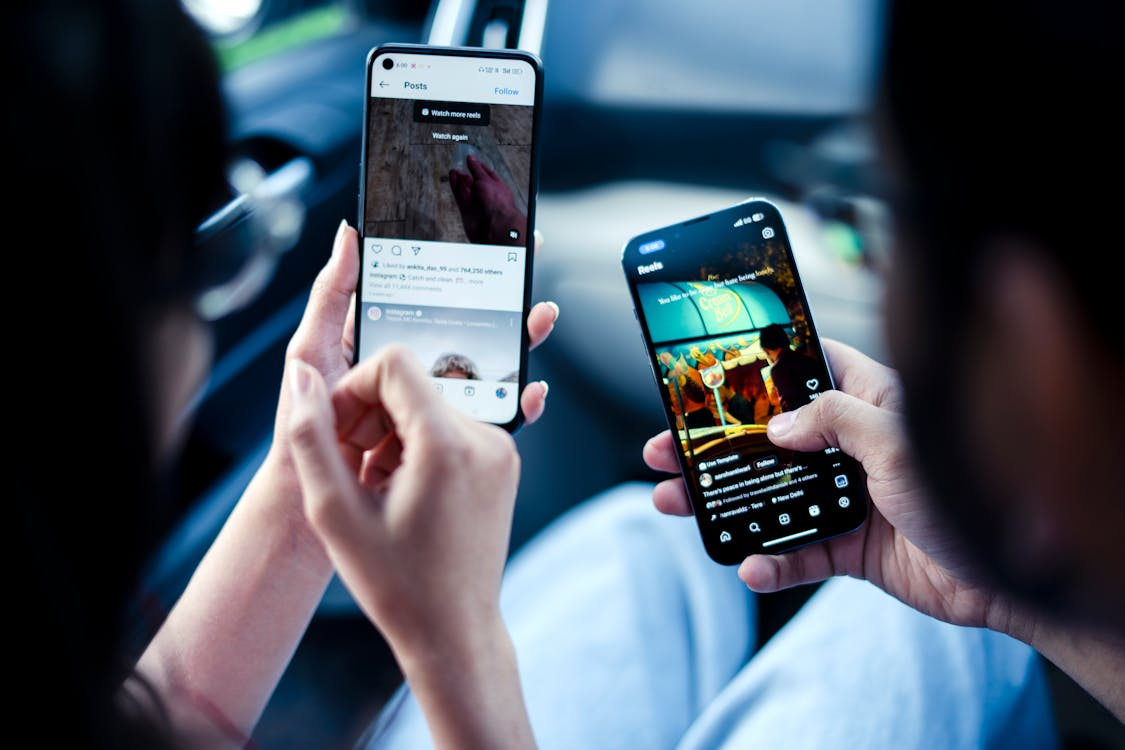
Today, a viral trend can reach millions of people globally within hours through TikTok, Instagram, YouTube Shorts, X, and recommendation feeds.
This rapid exposure creates compressed cultural timelines. Trends reach saturation levels far faster than they once did because audiences encounter them repeatedly across multiple platforms.
The faster a trend spreads, the faster people often tire of seeing it.
Read How News Cycles Changed in the Social Media Era for more on fast-moving media.
Algorithms Reward Constant Novelty
Modern platforms are heavily optimized around engagement and novelty.
Algorithms prioritize content that feels fresh, surprising, emotionally stimulating, or highly engaging. Once audiences begin losing interest in a trend, platforms quickly push newer content to maintain attention and maximize user activity.
This creates a culture of perpetual replacement.
Creators also feel pressure to continuously chase emerging trends because visibility often depends on participating in what algorithms currently favor.
As a result, online culture rarely pauses long enough for trends to stabilize. There is always another meme, aesthetic, sound, challenge, or viral topic waiting to take over feeds.
The internet rewards speed over longevity.
Oversaturation Happens Faster Than Ever
Earlier trends often required effort to encounter repeatedly. Today, viral content floods every platform simultaneously.
A popular song clip may appear across TikTok videos, Instagram reels, YouTube edits, advertisements, memes, and brand marketing campaigns within days.
This constant repetition accelerates fatigue dramatically.
What once felt fresh and entertaining quickly becomes overused because audiences encounter the same references repeatedly across digital environments.
Commercialization speeds up this burnout even further. Once brands aggressively adopt internet slang, memes, aesthetics, or viral trends, many users immediately perceive the trend as culturally exhausted.
Internet culture thrives on novelty and exclusivity. Oversaturation destroys both quickly.
Explore Why Certain Aesthetics Suddenly Explode Online for insight into visual trends.
Trend Participation Became Easier
Digital tools have greatly lowered the barriers to participating in trends.
Earlier cultural movements often required physical distribution, specialized equipment, or local social influence to spread. Today, anyone with a smartphone can instantly create, remix, repost, or imitate viral content.
This accessibility fuels rapid amplification.
A single meme template, editing style, dance, or aesthetic can generate millions of variations within days because participation itself has become frictionless.
While this democratized cultural participation, it also accelerated exhaustion because trends replicate at an extraordinary scale almost immediately.
Internet culture now moves through lifecycle stages, discovery, imitation, saturation, parody, and burnout, much faster than earlier eras experienced.
Audiences Became More Digitally Overstimulated
Modern users consume far more content daily than previous generations.
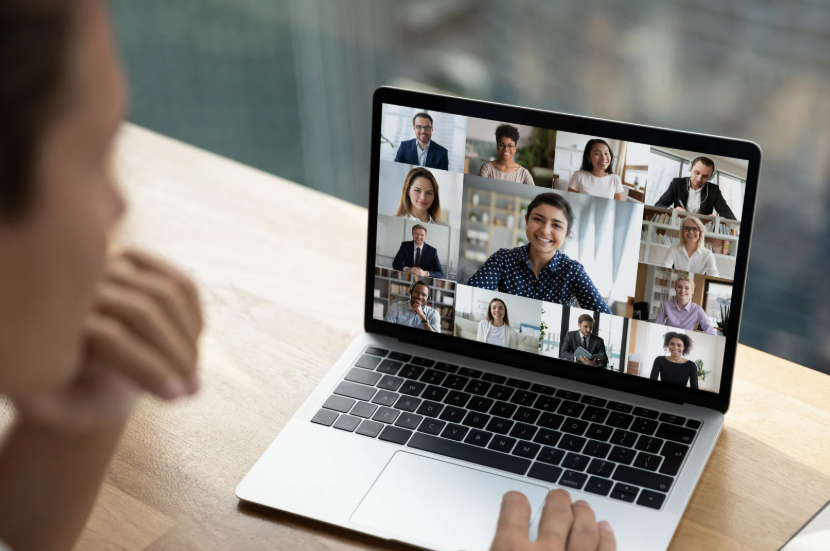
Social feeds expose audiences to constant streams of videos, memes, commentary, news, trends, advertisements, and entertainment competing simultaneously for attention.
This overstimulation reduces the lifespan of novelty because audiences process trends much faster.
People become desensitized more quickly when constantly exposed to high volumes of emotionally stimulating or visually repetitive content.
Attention itself became fragmented.
As a result, internet culture increasingly rewards immediate emotional impact over slow-building cultural longevity.
Trends succeed by capturing attention quickly, as they often have only a short window before users move on emotionally.
See Why People Crave Quick Information in the Morning to understand digital overload.
Online Culture Operates in Continuous Real Time
Another major factor is that digital culture no longer pauses.
Earlier media environments contained natural downtime between broadcasts, releases, or distribution cycles. Social media eliminated most of those gaps.
The internet operates continuously across time zones and platforms twenty-four hours a day.
This nonstop environment accelerates cultural turnover because audiences are always encountering something new.
Real-time participation also intensifies social pressure to stay current. Missing a trend for even a few weeks can make internet culture feel unfamiliar because online conversation evolves so rapidly.
The pace itself became part of the culture.
Check Why Nostalgia Trends Never Really Disappear for insight into cultural memory.
Faster Trend Cycles Reflect Larger Cultural Changes
The rapid burnout of trends reflects broader changes in how modern attention works.
Digital platforms compete aggressively for user engagement, which encourages constant novelty, emotional stimulation, and algorithmic acceleration.
At the same time, audiences increasingly crave fresh experiences because they are surrounded by unprecedented volumes of content competing for visibility.
The result is a culture where trends spread globally faster than ever before but rarely maintain emotional momentum for long.
Ironically, this speed often increases nostalgia. As trends disappear rapidly, people begin romanticizing earlier internet eras or cultural moments surprisingly quickly.
Modern culture moves fast partly because technology allows it to. But it also moves fast because digital systems were built to keep attention continuously searching for the next thing.