
The science of how first impressions are formed reveals how quickly perception operates and how deeply subtle cues shape human interaction.
People form impressions of one another incredibly quickly. Within seconds of meeting someone, or sometimes before a single word is spoken, the brain already begins making judgments about personality, trustworthiness, confidence, intelligence, warmth, and social status.
These snap evaluations are known as first impressions.
Although first impressions are not always accurate, they strongly influence how relationships, conversations, hiring decisions, social interactions, and professional opportunities unfold. Humans rely on rapid judgment because the brain constantly searches for social information that helps navigate unfamiliar situations efficiently.
The Brain Makes Rapid Social Judgments
Humans evolved as highly social creatures, which means quickly assessing other people carried survival value historically.
The brain still performs this function automatically.
Research suggests people often begin forming impressions within seconds based on facial expressions, posture, tone of voice, eye contact, movement, clothing, and overall emotional presentation.
These judgments happen largely outside conscious awareness.
The brain constantly asks silent questions during first encounters:
- Is this person safe?
- Are they confident?
- Can they be trusted?
- Do they seem competent?
- Are they emotionally approachable?
Even when people try to remain objective, the mind processes social cues rapidly and instinctively.
Explore Why Humans Are Naturally Curious About Other People for more on social perception.
Facial Expressions Influence Perception Strongly
Facial expression is one of the most powerful components of first impressions.
Humans are highly sensitive to emotional signals communicated through the face. Small cues such as smiling, eye tension, relaxed muscles, or visible anxiety strongly affect perception.
Warm facial expressions generally convey friendliness and openness. Tension, lack of eye contact, or emotional flatness may unintentionally communicate discomfort, disinterest, or defensiveness even when none is intended.
Importantly, people often interpret neutral expressions emotionally rather than neutrally.
This explains why emotional presentation matters greatly in introductions, interviews, public speaking, customer service, and social interaction more generally.
The brain processes faces extraordinarily quickly because facial information carries major social significance.
Body Language Shapes Confidence Perception
Nonverbal behavior strongly influences how people interpret confidence and credibility.
Posture, gestures, movement speed, personal space, and eye contact all contribute to social perception before a meaningful conversation even begins.
Relaxed posture and controlled movement often signal confidence and emotional stability. Hesitant movement, closed posture, or excessive fidgeting may communicate nervousness or uncertainty.
Tone of voice matters as well. Vocal pacing, clarity, and emotional energy influence perception independently from the actual words being spoken.
People frequently remember emotional delivery more strongly than exact phrasing.
This is one reason communication training often emphasizes body language and vocal presentation alongside verbal content.
First Impressions Are Influenced by Cognitive Shortcuts
The brain relies heavily on mental shortcuts called heuristics when forming first impressions.
Because processing every detail consciously would require enormous mental effort, humans use rapid pattern recognition to make quick social evaluations.
For example, people may unconsciously associate certain clothing styles, grooming habits, or speech patterns with professionalism, creativity, friendliness, or authority based on previous experience and cultural conditioning.
These shortcuts help the brain process social environments efficiently, but they can also create bias and inaccurate assumptions.
First impressions are often emotionally persuasive even when objectively incomplete.
The brain values speed more than perfect accuracy during early social encounters.
Read How to Read Headlines Without Falling for Clickbait for insight into quick mental shortcuts.
Appearance Influences More Than People Admit
Although many people believe they judge others primarily by character, physical appearance undeniably shapes first impressions.
Clothing, grooming, hygiene, and general appearance all communicate information about identity, professionalism, social awareness, and personal habits.
Importantly, this does not mean attractiveness alone determines perception. Context matters enormously.
Different environments create different expectations around presentation. Casual authenticity may feel appealing in one setting while polished professionalism matters more in another.
The key psychological principle is coherence. People tend to respond positively when appearance, communication style, and behavior feel emotionally consistent together.
See The Hidden Psychology of Colors in Marketing for more on visual cues.
First Impressions Can Be Difficult to Reverse
One reason first impressions matter so much is that they influence future interpretation.
Once people form an initial judgment, confirmation bias often reinforces it. Individuals unconsciously notice behaviors supporting existing impressions while overlooking contradictory information.
For example, if someone initially appears confident, later mistakes may be interpreted more generously. If someone appears awkward or uncertain initially, identical behavior may be judged more critically.
This does not mean that first impressions are permanent, but they often shape the emotional framing of future interactions.
Strong early impressions create psychological momentum.
Digital Culture Changed First Impressions
Modern technology expanded first impressions beyond face-to-face interaction.
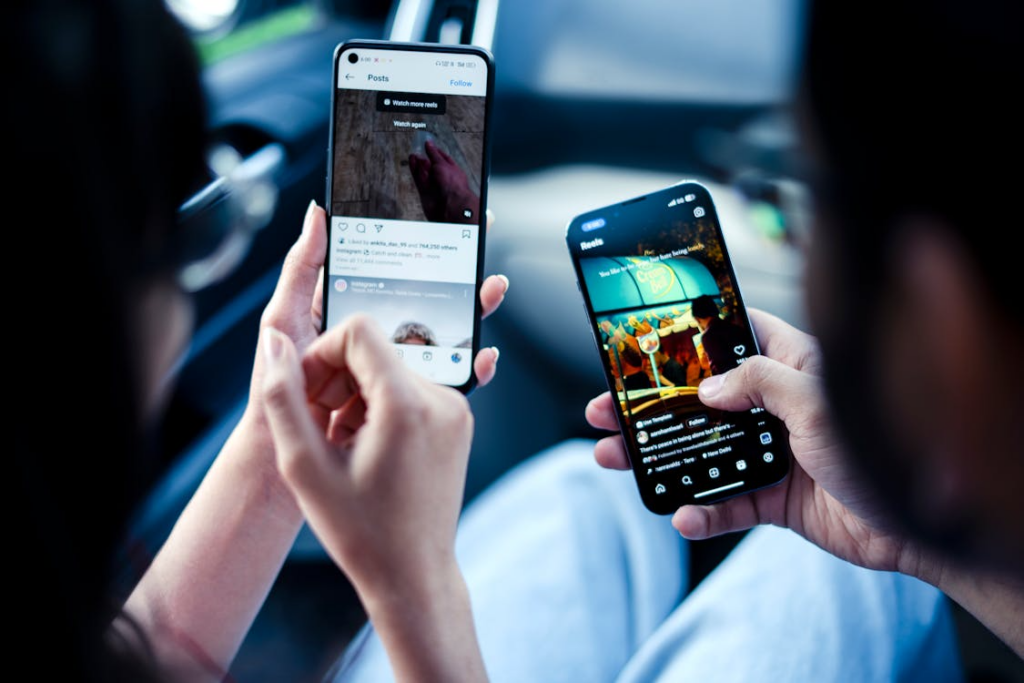
Today, people often form opinions about others through profile photos, social media posts, emails, text messages, video calls, and online presence before meeting in person.
Digital environments introduce different cues. Writing style, response speed, profile presentation, and online tone all influence perception now.
At the same time, online interaction removes many traditional nonverbal signals such as posture, physical presence, and facial expression.
As a result, digital first impressions can sometimes feel both faster and less emotionally complete than in-person encounters.
Check Why Everyone Wants More Authenticity Online for insight into digital trust.
First Impressions Reflect Human Social Instincts
The science of first impressions reveals how rapidly and automatically humans process social information.
People instinctively search for cues related to safety, trust, competence, emotional warmth, and social belonging because these judgments historically helped navigate complex social environments.
While first impressions are not perfectly accurate, they remain deeply influential because the brain prioritizes efficient social interpretation.
Most people believe they are evaluating others carefully and rationally. In reality, perception begins shaping judgment long before conscious analysis fully catches up.