
The growing popularity of the slow living movement reveals how deeply many people feel exhausted by acceleration itself.
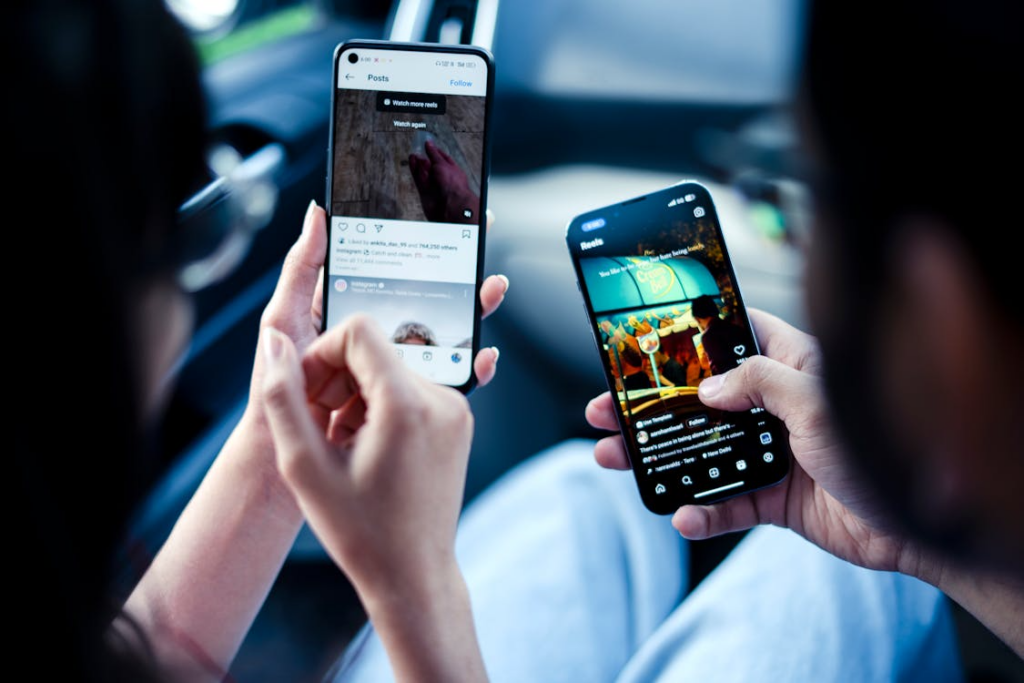
Modern life increasingly feels defined by speed. Notifications arrive constantly; work follows people home through devices; social media encourages nonstop comparison; and digital culture rewards productivity, efficiency, and constant availability.
In response, many people became drawn toward something very different: slow living.
The slow living movement emphasizes intentional routines, reduced overstimulation, meaningful leisure, and a more balanced relationship with time. It does not necessarily mean abandoning technology or moving to the countryside. More often, it reflects a desire to live with greater awareness and less constant pressure.
Fast-Paced Culture Created Emotional Fatigue
Modern digital environments encourage continuous activity.
Emails, messages, news updates, entertainment, and social feeds compete for attention all day long. Even relaxation increasingly happens through fast-scrolling content designed to maximize engagement.
Over time, this constant stimulation creates mental fatigue.
Many people feel pressure to stay productive, informed, reachable, and socially responsive at all times. The boundary between work, leisure, and personal life became increasingly blurred, especially after smartphones turned connectivity into a permanent condition.
Slow living appeals to people partly because it offers emotional contrast. It prioritizes breathing room instead of urgency.
The movement reflects a growing recognition that nonstop stimulation carries psychological costs.
Read The Difference Between Being Informed and Being Overloaded for overload context.
Slow Living Emphasizes Intentionality
One of the central ideas behind slow living is intentional choice.
Rather than automatically filling every moment with activity or digital input, slow living encourages people to become more conscious about how they spend time, attention, and energy.
This can take many forms. Some people reduce screen time or social media use. Others focus on cooking at home, reading physical books, gardening, journaling, walking, or creating quieter routines around work and leisure.
The goal is not perfection or total simplicity. Instead, it reduces unnecessary friction and reclaims a sense of control over daily life.
Slow living often centers on the quality of experience rather than the quantity of activity.
Explore Why Airports Feel Different From Other Places to understand how spaces shape attention.
Digital Overload Increased the Desire for Simplicity
The appeal of slow living grew partly because modern life became mentally crowded.
Many people spend much of the day rapidly switching between tasks, apps, messages, and streams of information. This fragmentation weakens focus and creates the feeling of constantly reacting rather than intentionally living.
As a result, simpler routines began feeling emotionally valuable.
Activities once considered ordinary, such as making coffee slowly, sitting outside, cooking dinner, organizing a room, or taking walks without headphones, increasingly came to be associated with calm and mental clarity.
Social media itself unintentionally amplified this trend. Images of cozy homes, quiet routines, analog hobbies, and slower lifestyles spread widely because audiences responded emotionally to the sense of peace they conveyed.
The internet helped popularize the very antidote to internet overstimulation.
Check Why ‘Comfort Content’ Became So Important for more on calming digital habits.
Slow Living Is Not the Same as Laziness
One common misconception is that slow living means rejecting ambition or productivity entirely.
In reality, many people drawn to slow living still work hard, pursue goals, and maintain busy schedules. The difference lies more in how they approach time and attention.
Slow living questions whether constant optimization actually improves quality of life.
For example, many people discovered that endless multitasking reduces satisfaction even when it increases efficiency. Others realized that productivity culture often encourages perpetual dissatisfaction because there is always another task, metric, or goal waiting.
Slow living encourages creating space for rest, reflection, and enjoyment without treating every moment purely as a productivity opportunity.
The movement values sustainability over constant acceleration.
Analog Activities Became Part of the Appeal
The resurgence of analog hobbies overlaps closely with slow-living culture.
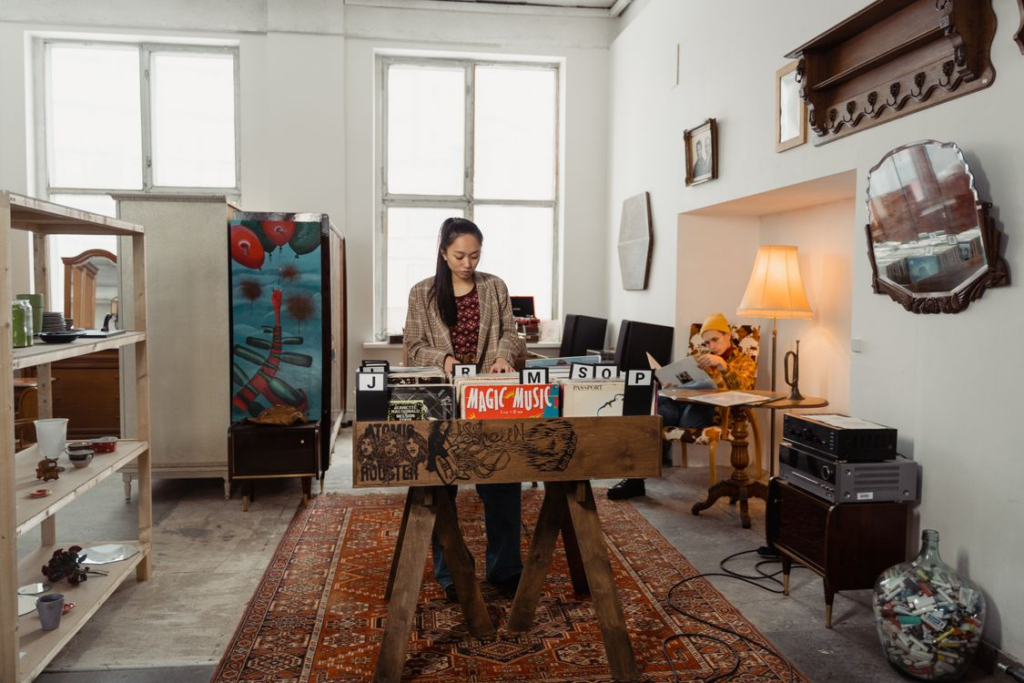
Gardening, baking, journaling, crafting, reading, film photography, and other tactile activities became appealing partly because they slow attention down and create immersive physical experiences.
Unlike digital platforms designed for endless consumption, analog activities usually involve natural stopping points and visible progress.
These experiences feel grounding because they reconnect people with sensory presence and sustained focus.
Many slow living enthusiasts intentionally seek activities that feel finite, tactile, and emotionally calming as a counterbalance to the fragmentation of digital environments.
This explains why cozy aesthetics and slower hobbies became so culturally connected online.
See The Return of Analog Hobbies in a Digital World for tactile routine ideas.
Slow Living Reflects a Cultural Recalibration
The growing appeal of slow living reflects broader cultural exhaustion with speed, overload, and perpetual optimization.
People increasingly recognize that faster does not always mean better. More connectivity does not automatically create greater fulfillment. Constant productivity does not guarantee emotional well-being.
As a result, many individuals are reevaluating what actually creates meaningful daily experiences.
Slow living resonates because it reframes time as something to experience rather than constantly conquer.
Importantly, the movement is highly personal. For some people, slow living means reducing digital noise. For others, it means creating calmer mornings, protecting weekends, simplifying schedules, or prioritizing face-to-face relationships.
At its core, slow living is less about doing everything slowly and more about doing fewer things more intentionally.
In a culture that often feels permanently accelerated, that idea became deeply appealing.