The reason why analog hobbies are returning reflects more than simple nostalgia. It reveals growing psychological needs for focus, tactile experience, emotional grounding, and relief from constant digital stimulation.
At a time when nearly every aspect of life became digital, many people unexpectedly started returning to analog hobbies. Journaling, gardening, film photography, vinyl records, crafting, woodworking, reading physical books, and other tactile activities surged in popularity despite living in the most technologically connected era in history.
On the surface, this trend may seem contradictory. Technology made life faster, more efficient, and more convenient, yet millions of people increasingly seek activities that are slower, physical, and intentionally disconnected from screens.
Digital Life Created Constant Mental Noise
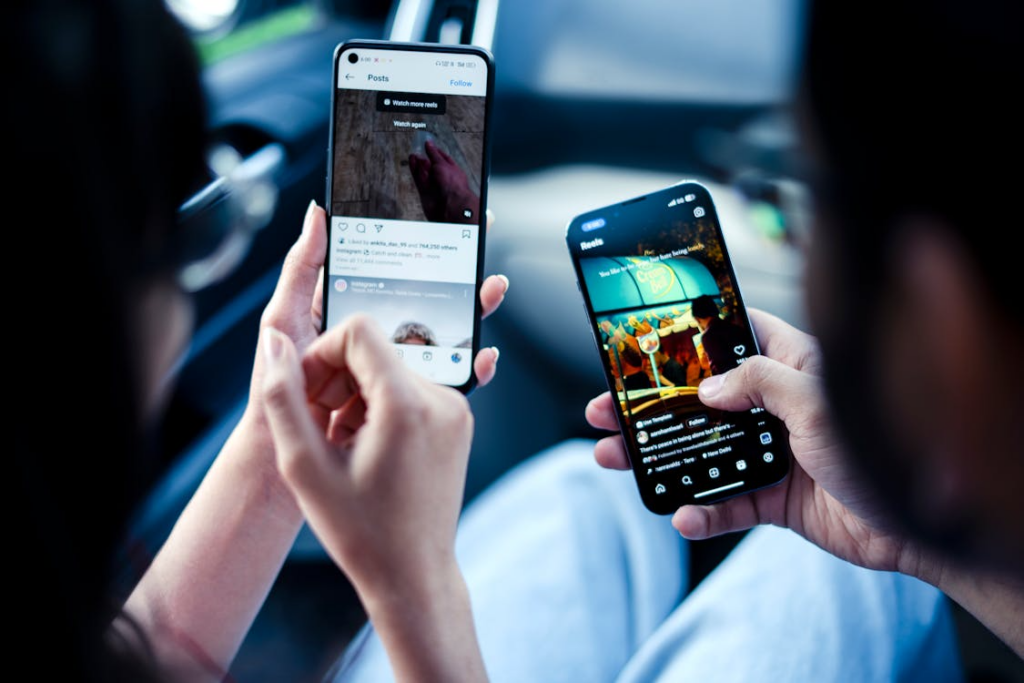
Modern technology surrounds people with nonstop input. Notifications, social feeds, emails, streaming content, messaging apps, and algorithmic recommendations compete for attention almost continuously.
This environment creates cognitive fatigue because the brain rarely receives extended periods of uninterrupted focus or sensory calm.
Analog hobbies offer a direct contrast to that experience. Activities like knitting, gardening, sketching, or building something by hand slow attention down and create more immersive mental states.
Unlike digital platforms designed to maximize engagement, analog hobbies often involve repetition, patience, and physical interaction with real-world materials.
For many people, these experiences feel emotionally restorative because they reduce mental fragmentation and overstimulation.
Read The Difference Between Being Informed and Being Overloaded for overload context.
Physical Activities Feel More Grounded
One reason analog hobbies have become increasingly appealing is that they reconnect people with tactile experiences.
Digital interactions mostly occur through screens, taps, and abstract interfaces. Analog hobbies engage the senses more fully through texture, sound, movement, smell, and physical presence.
Writing in a notebook feels different from typing. Handling film cameras feels different from taking smartphone photos. Working with plants, paint, wood, or fabric creates sensory experiences that digital environments cannot fully replicate.
These physical interactions help many people feel more mentally present.
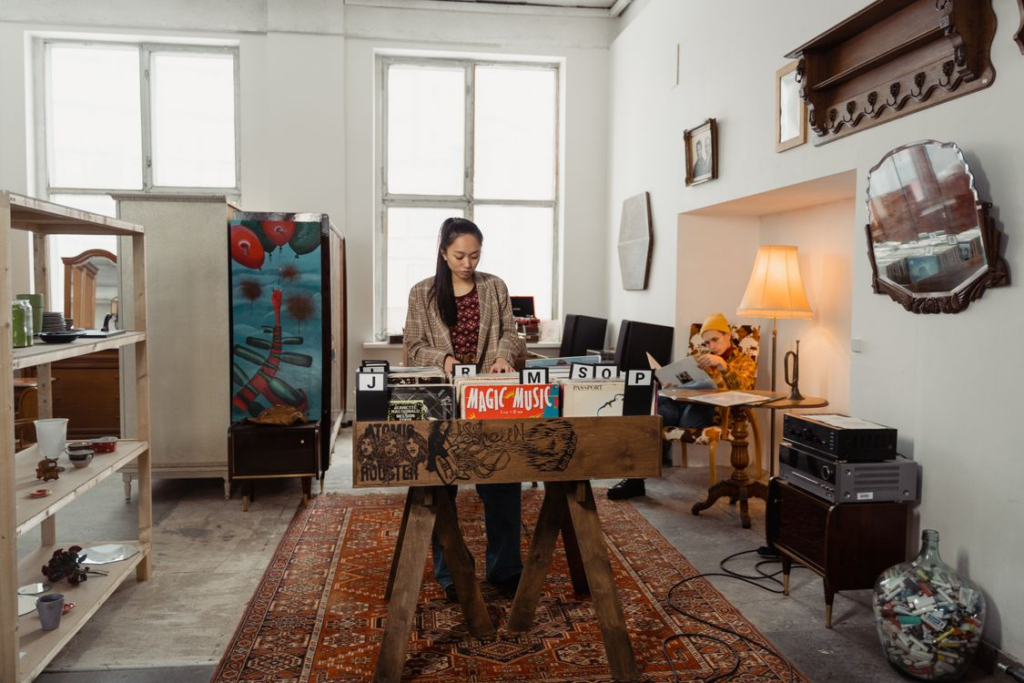
The popularity of activities like pottery, baking, gardening, and vinyl collecting reflects a broader desire for experiences that feel tangible and materially real in increasingly virtual lifestyles.
Explore The Growing Appeal of ‘Slow Living’ for more on intentional routines.
Analog Hobbies Encourage Deeper Focus
Many digital platforms are built around interruption. Notifications, tabs, alerts, and infinite feeds constantly pull attention in multiple directions.
Analog hobbies often encourage the opposite.
Activities such as painting, puzzles, woodworking, journaling, or model building naturally support sustained concentration because they require slower engagement and continuous attention.
This focused state can feel deeply satisfying psychologically. Many people describe analog hobbies as calming, partly because they reduce the mental multitasking common in digital life.
The experience resembles mindfulness even when participants are not intentionally practicing meditation or stress reduction.
In some cases, analog hobbies became informal antidotes to fractured attention spans.
Nostalgia Also Plays a Role
The resurgence of analog hobbies overlaps heavily with the culture of nostalgia.
Many people associate physical media and offline activities with childhood memories, simpler routines, or earlier stages of life before smartphones dominated daily experience.
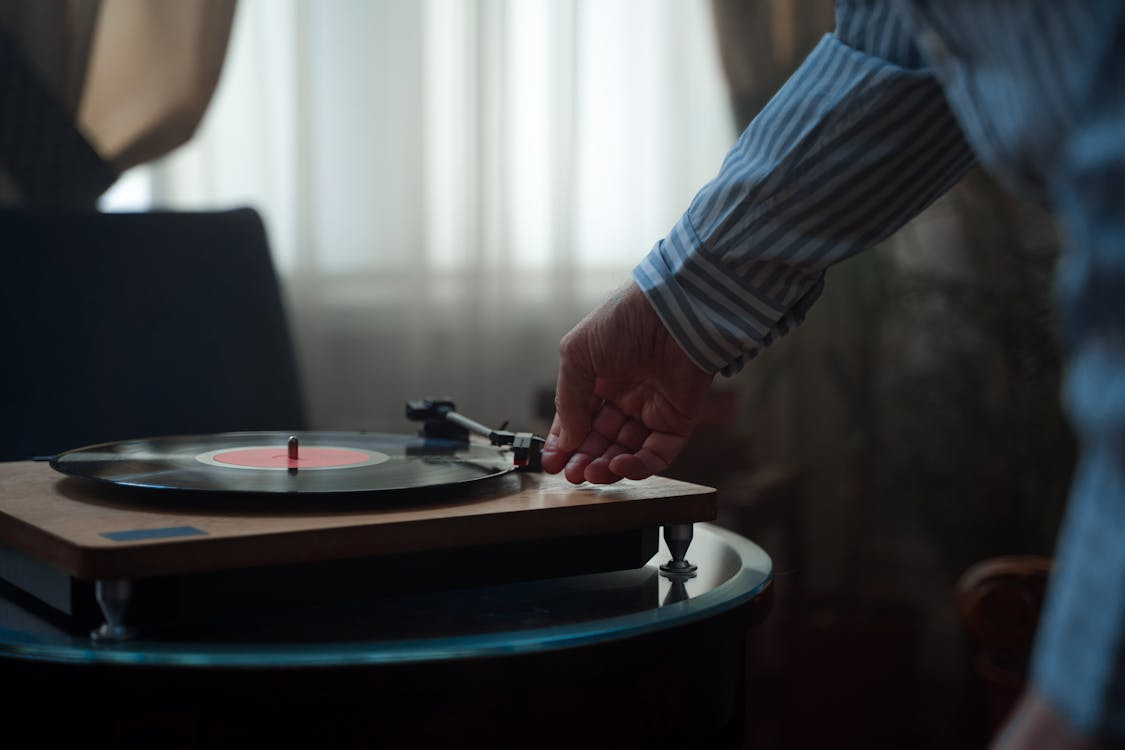
Vinyl records, disposable cameras, printed photographs, handwritten notes, and physical books often carry emotional associations beyond their practical function.
Importantly, nostalgia does not necessarily mean people reject technology entirely. Most individuals adopting analog hobbies still use digital tools constantly.
Instead, analog activities provide emotional balance by reintroducing slower rhythms and tactile experiences into heavily digital lifestyles.
This balance feels increasingly valuable as screen time continues expanding across work, entertainment, and communication.
Check Why Nostalgia Trends Never Really Disappear for more on emotional memory.
Social Media Surprisingly Helped Analog Hobbies Grow
Ironically, digital platforms helped popularize many offline hobbies.
Social media allows users to share aesthetic photography, creative projects, journaling layouts, crafting tutorials, gardening progress, and cozy hobby spaces with large audiences.
As a result, analog hobbies became highly visible online.
Communities formed around activities that once felt niche or old-fashioned. Younger generations discovered hobbies through YouTube, TikTok, Pinterest, Reddit, and Instagram, then adopted them partly as lifestyle identity markers.
The internet effectively created modern visibility for offline experiences.
This combination of digital discovery and analog participation explains why many hobbies now function as both personal relaxation and social expression.
Learn Why Everyone Wants More Authenticity Online for more on offline identity.
Analog Hobbies Reflect a Desire for Balance
The return of analog hobbies ultimately reflects a larger cultural search for balance.
People are not abandoning technology altogether. Smartphones, streaming services, digital communication, and online work remain deeply integrated into modern life.
However, many individuals increasingly recognize the emotional and cognitive strain created by constant connectivity.
Analog hobbies offer small spaces of control, focus, creativity, and sensory grounding inside environments dominated by speed and distraction.
These activities provide measurable progress, tactile satisfaction, and psychological separation from algorithmic systems competing endlessly for attention.
In many cases, analog hobbies succeed because they feel finite and fully human. A journal page ends. A puzzle gets completed. A garden grows slowly. A record plays from beginning to end.
That sense of completion and physical presence became surprisingly meaningful in an age where digital experiences rarely stop refreshing.
The return of analog hobbies is not really a rejection of modern technology. It is a response to constantly living inside it.