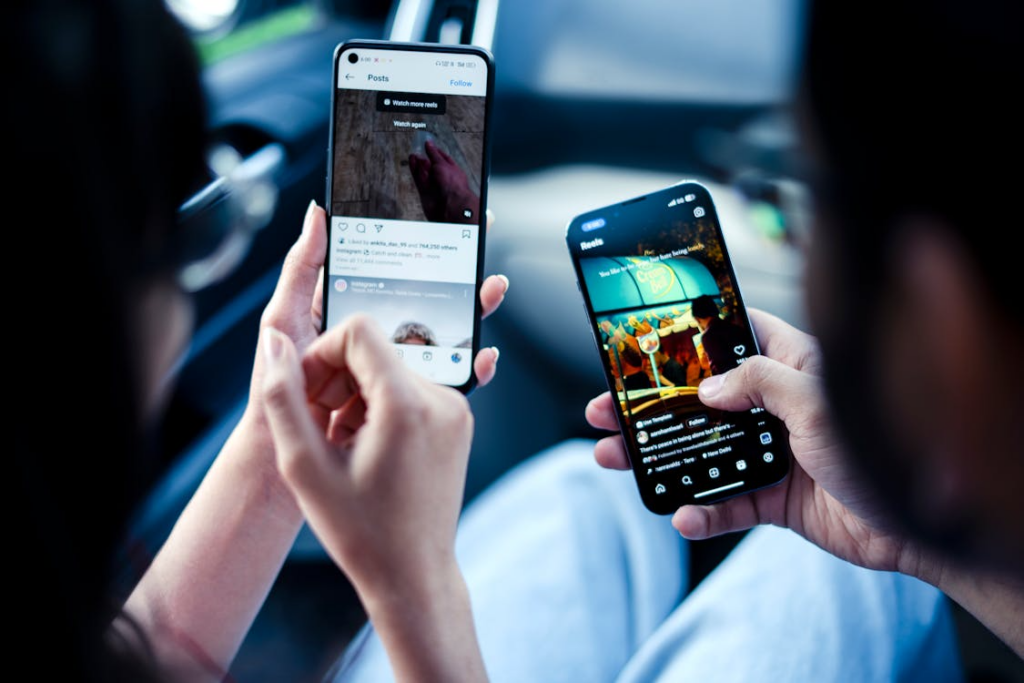

The internet accelerated social dynamics that humans have always displayed. Digital platforms made those behaviors faster, more visible, and far more measurable, helping explain why internet trends go viral.
Every day, new internet trends appear seemingly out of nowhere. A dance challenge spreads across social media, a phrase becomes unavoidable online, a meme format dominates feeds for weeks, or millions of people suddenly begin participating in the same viral behavior at the same time.
To outsiders, internet trends can look random or irrational. In reality, most trends spread because they tap into predictable aspects of human psychology. Social validation, emotional contagion, identity signaling, curiosity, and group behavior all play major roles in the explosion of online trends.
Humans Naturally Copy Group Behavior
One of the strongest psychological forces behind internet trends is social proof.
People often look to others for cues about what deserves attention, especially in uncertain or fast-moving environments. When large numbers of users participate in a trend, the behavior itself signals relevance.
This creates momentum. The more visible a trend becomes, the more people feel encouraged to join it.
Social media intensifies this effect because platforms constantly display engagement metrics such as likes, shares, views, comments, and reposts. Popularity becomes highly visible in real time.
As a result, trends often spread partly because audiences see evidence that many others are already participating.
Humans are deeply social creatures. Online behavior reflects that reality constantly.
Read How Streaming Changed Entertainment Forever for more on shared digital habits.
Trends Create a Sense of Belonging
Internet trends are not only about entertainment. They also help people feel connected to larger communities.
Participating in shared jokes, challenges, memes, or cultural references creates social bonding. Users experience a sense of inclusion when they understand and contribute to widely recognized online behaviors.
This is especially important in digital environments where identity and belonging often form around shared interests rather than physical location.
Memes and trends function almost like social language. Recognizing references signals cultural awareness and group membership.
Even small interactions, such as reposting a joke or using a trending phrase, reinforce participation within online communities.
For many users, trends are less about originality and more about shared experience.
Explore Why Online Communities Feel So Powerful for more on shared digital identity.
Emotion Fuels Virality
Emotion plays a massive role in determining which trends spread quickly.
Content that provokes laughter, surprise, outrage, excitement, nostalgia, or emotional validation tends to perform best because emotional reactions increase engagement and sharing behavior.
People rarely repost content that leaves them emotionally neutral.
Humor is particularly effective online because it creates low-friction social interaction. Sharing something funny allows users to strengthen social bonds without requiring deep vulnerability or complex discussion.
Outrage and conflict also spread aggressively because emotional intensity keeps users engaged longer. Platforms often reward this engagement algorithmically, further increasing visibility.
The internet amplifies emotional contagion. Reactions spread rapidly because users constantly observe and mirror each other’s emotional responses.
Algorithms Accelerate Trend Cycles
Recommendation algorithms heavily shape modern internet trends.
Platforms prioritize content that generates high engagement because engagement increases watch time, clicks, and user activity. This means trends often spread not simply because they are popular, but because algorithms continuously amplify them.
Once a trend gains momentum, recommendation systems expose it to increasingly larger audiences. Visibility itself becomes a growth engine.
Algorithms also shorten trend lifespans. Because platforms constantly push newer content, audiences move rapidly from one viral phenomenon to the next.
This creates a fast-moving culture in which trends emerge, peak, and disappear much faster than in earlier forms of popular culture.
The internet rewards novelty, which means constant replacement has become part of the system itself.
See Why Trends Burn Out Faster Than They Used To for more on short trend cycles.
Identity and Self-Expression Matter Too
Many online trends succeed because they provide opportunities for self-expression.
Users often adapt trends creatively by adding personal humor, local references, editing styles, opinions, or visual aesthetics. Participation allows individuals to feel both connected to a group and unique within it simultaneously.
This balance is psychologically satisfying.
Fashion trends, meme formats, music clips, and aesthetic movements often spread because they allow users to express their personality and identity publicly.
The internet turned participation itself into a form of performance. People do not simply consume trends anymore. They remix, personalize, and redistribute them constantly.
This participatory structure keeps trends evolving instead of remaining static.
Check The Hidden Psychology of Colors in Marketing for more on visual identity cues.
Why Trends Burn Out So Quickly
Internet trends rarely disappear because people suddenly stop liking them. More often, they collapse from overexposure.
Once a trend becomes too widespread, it loses novelty and emotional energy. Audiences grow fatigued after repeated exposure across all platforms and social feeds.
Brands entering trends often accelerate this process. When corporations aggressively adopt memes, slang, or viral aesthetics, many users perceive the trend as commercially diluted or culturally exhausted.
Fast-moving digital culture also trains audiences to expect constant novelty. The next viral trend is always waiting around the corner.
As a result, online culture moves in increasingly compressed cycles where trends burn brightly but briefly.
This rapid turnover contributes to the feeling that internet culture changes faster every year.
The psychology behind internet trends ultimately reflects timeless human behavior expressed through modern technology. People seek belonging, emotional connection, validation, identity, and shared experience.
The internet did not invent these instincts. It simply built the fastest distribution system for humanity ever seen.