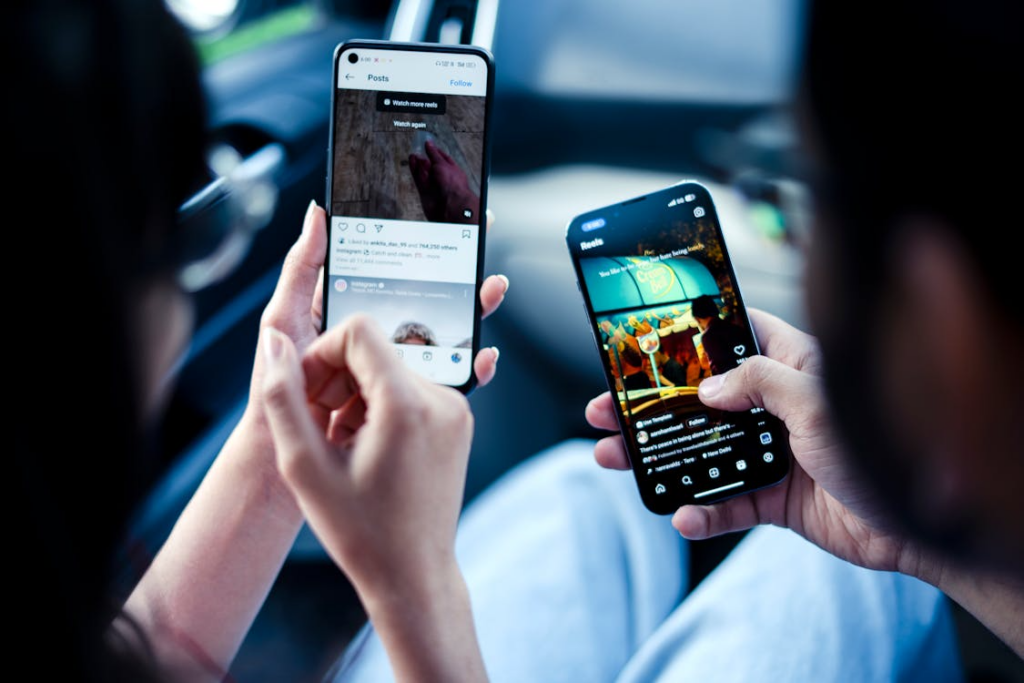

In many ways, algorithms became some of the most powerful cultural gatekeepers of the modern era.
Most people interact with algorithms every day without thinking much about them. Streaming platforms recommend movies, social media feeds prioritize certain posts, shopping sites suggest products, and video apps decide which clips appear next. These systems often feel invisible because they operate quietly in the background.
Yet how algorithms shape culture has become one of the biggest questions of modern digital life.
They shape what people watch, buy, discuss, believe, laugh at, and even how trends spread across society. While algorithms do not fully control human behavior, they strongly influence what gains visibility and what disappears into digital obscurity.
Algorithms Decide What Gets Seen
One of the biggest ways algorithms shape culture is through visibility.
The internet contains overwhelming amounts of content, far more than any person could ever process manually. Algorithms solve this problem by filtering and prioritizing information based on engagement patterns, user behavior, and platform goals.
This means algorithms heavily influence which videos trend, which articles spread, which songs become popular, and which creators gain audiences.
Importantly, these systems are not neutral. Most platforms optimize around metrics such as clicks, watch time, comments, shares, or purchases.
As a result, content that generates strong engagement often receives greater exposure regardless of whether it is informative, emotionally healthy, or culturally beneficial.
Visibility itself became one of the internet’s most valuable resources.
Read How News Aggregation Changed the Internet for more on digital visibility.
Recommendation Systems Shape Taste
Streaming platforms and social media apps increasingly function as personalized recommendation engines.
Instead of audiences actively searching for entertainment, algorithms continuously suggest what users should watch, listen to, or consume next.
Over time, this influences taste formation itself.
A person’s music preferences, viewing habits, internet humor, shopping interests, or exposure to political content may gradually shift based on what recommendation systems repeatedly surface.
This process often happens subtly. Users feel they are making independent choices while algorithms quietly narrow and guide available options behind the scenes.
Recommendation systems can be helpful because they expose people to content they might never discover otherwise. However, they also shape cultural exposure unevenly by amplifying certain creators, aesthetics, and narratives more aggressively than others.
Explore How Streaming Changed Entertainment Forever for more on recommendation habits.
Viral Culture Depends Heavily on Algorithms
Modern trends rarely spread purely organically anymore.
Algorithms heavily influence which memes, songs, videos, products, or conversations gain momentum online. Content receiving early engagement often gets boosted further, creating feedback loops that accelerate virality.
Once a trend gains sufficient visibility, social participation naturally increases because people encounter it repeatedly across platforms.
This dynamic explains why internet culture often feels synchronized. Millions of users suddenly reference the same sounds, phrases, aesthetics, or viral clips because recommendation systems amplify them simultaneously.
Algorithms effectively function as invisible distribution networks for culture itself.
In earlier media eras, editors and producers held most gatekeeping power. Today, algorithms share much of that role.
Check The Anatomy of a Viral Headline for insight into online spread.
Emotional Content Often Gets Amplified
Because many algorithms optimize around engagement, emotionally charged content frequently receives disproportionate visibility.
Outrage, fear, conflict, humor, surprise, and emotional intensity tend to elicit strong user reactions that platforms interpret as successful engagement.
As a result, emotionally stimulating content often spreads farther and faster than calmer or more nuanced material.
This does not necessarily happen because platforms intentionally want negativity. More often, the systems reward whatever keeps users interacting longer.
However, the cultural consequences can still be significant.
Audiences repeatedly exposed to emotionally heightened content may begin to perceive the world as more polarized, chaotic, or conflict-driven than it actually is.
Algorithms shape not only what people see, but also how emotionally intense digital environments feel overall.
Algorithms Influence Identity and Community
Recommendation systems also affect how people form their identities and sense of belonging online.
Platforms frequently guide users toward increasingly specific niches, fandoms, hobbies, aesthetics, political viewpoints, or communities based on behavioral patterns.
This can create positive experiences by helping individuals find communities that align with their interests or values.
At the same time, highly personalized feeds can narrow exposure to diverse perspectives and reinforce existing preferences.
Over time, algorithms help shape subcultures by clustering audiences around shared content ecosystems.
The internet no longer functions as one unified cultural space. Algorithms helped fragment it into countless overlapping microcultures with distinct languages, aesthetics, and identities.
Most Algorithmic Influence Feels Invisible
One reason algorithms shape culture so effectively is that their influence often feels natural rather than imposed.
Users usually experience recommendations as convenient personalization rather than as external steering.
This invisibility makes algorithmic influence psychologically powerful. People rarely notice how much repeated exposure affects attention, preference, familiarity, and perception over time.
Even small recommendation patterns can gradually shape larger cultural trends when applied across millions or billions of users simultaneously.
Algorithms do not fully determine culture, but they strongly influence which parts of culture receive amplification, repetition, and sustained visibility.
The modern cultural landscape is increasingly shaped by systems designed not around truth, art, or public benefit alone, but around engagement metrics and behavioral prediction.
Most people think culture spreads because society collectively chooses what matters. Increasingly, algorithms help decide what society notices in the first place.
See The Difference Between Being Informed and Being Overloaded for the digital exposure context.