In many ways, streaming transformed entertainment from an event into an environment, showing how streaming changed entertainment at every level.
Entertainment used to revolve around schedules. Television shows aired at specific times, movie rentals required physical trips, and audiences often consumed media together because everyone watched the same limited selection of channels and broadcasts.
Streaming changed all of that.
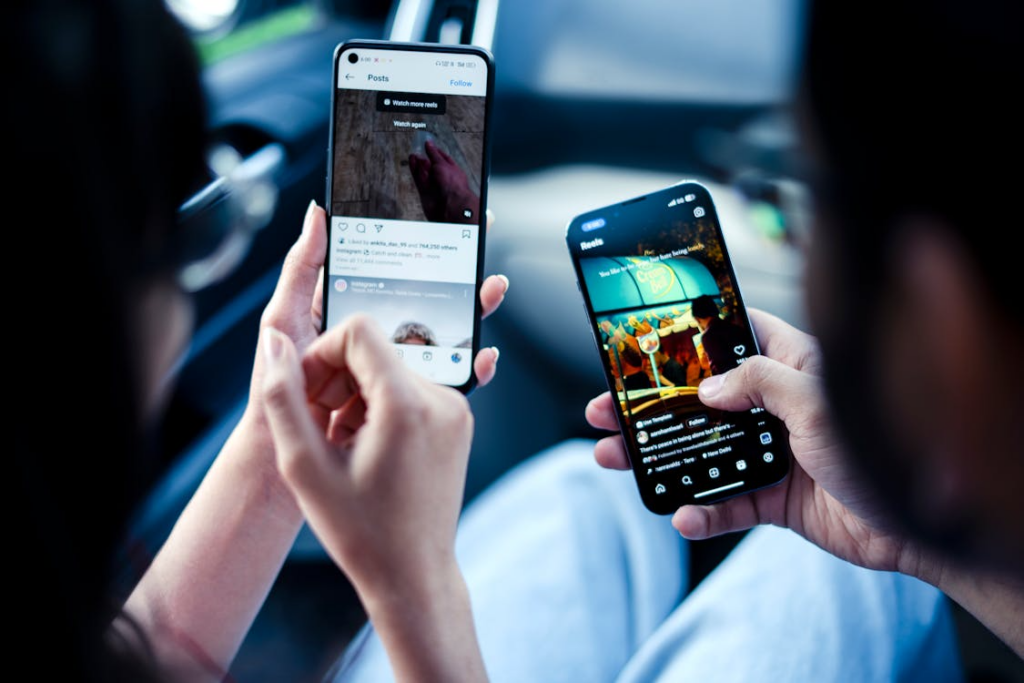
Today, movies, music, podcasts, live content, and television are available in massive on-demand libraries that can be accessed instantly from almost anywhere. Audiences no longer wait for programming schedules or physical media. Instead, entertainment became personalized, portable, and continuous.
The rise of streaming has permanently reshaped not only how people watch content but also how entertainment itself is created, distributed, marketed, and discussed.
Entertainment Became Instantly Accessible
One of the biggest changes streaming introduced was convenience.
Before streaming platforms became dominant, audiences dealt with physical limitations and scheduling constraints. Missing a television episode often meant waiting for reruns, and renting movies required visiting stores. Music collections depended on physical ownership through CDs, tapes, or downloaded files.
Streaming removed most of that friction.
People now expect immediate access to enormous entertainment libraries available on demand at all times. This fundamentally changed audience behavior and expectations.
Convenience quickly became the defining feature of modern entertainment culture.
The ability to instantly start a movie, switch shows, replay scenes, or discover new content within seconds has dramatically increased overall media consumption.
Entertainment became more integrated into daily life than ever before.
Read How Everyday Products Are Designed to Feel Familiar for more on intuitive convenience.
Binge-Watching Changed Viewing Habits
Streaming also transformed pacing.
Traditional television encouraged weekly viewing schedules. Audiences experienced stories gradually over months as episodes aired individually.
Streaming platforms popularized binge-watching by releasing entire seasons simultaneously or allowing instant continuation between episodes.
This changed how audiences emotionally experience storytelling. Instead of waiting days between episodes, viewers can consume large portions of stories in single sessions.
Narrative structures adapted accordingly. Writers increasingly design shows around long-form momentum, cliffhangers, and continuous viewing rather than self-contained episodic pacing.
Binge culture also accelerated online discussion cycles. Entire seasons can now dominate public conversation intensely for short periods before audiences rapidly move to the next release.
Entertainment consumption became faster and more compressed.
Explore Why Comfort Content Became So Important for insight into repeat viewing.
Algorithms Changed Discovery
Streaming platforms rely heavily on recommendation systems.
Instead of audiences manually searching for content, algorithms continuously suggest movies, shows, music, and creators based on viewing behavior and engagement patterns.
This personalization changed how people discover entertainment.
Recommendation systems expose users to niche genres, international content, and specialized interests more efficiently than earlier media systems allowed. However, they also shape cultural visibility by amplifying certain content over others.
Algorithms quietly became entertainment gatekeepers.
Two users opening the same streaming app may encounter completely different suggestions depending on viewing history, preferences, and engagement data.
This fragmented entertainment culture into increasingly personalized experiences rather than unified mass audiences watching the same limited programming.
Check How Algorithms Quietly Shape Culture for more on recommendation influence.
Streaming Changed the Business of Media
The economics of entertainment shifted dramatically because of streaming.
Earlier media industries relied heavily on physical sales, scheduled advertising, box office revenue, or cable subscriptions. Streaming introduced subscription-based models centered around retaining continuous user engagement.
As competition intensified, platforms began investing enormous resources into exclusive original content to attract and keep subscribers.
This created an explosion of entertainment production across television, film, documentaries, podcasts, and streaming-exclusive programming.
At the same time, streaming disrupted older business structures. Cable television declined, physical media sales collapsed, and many traditional distribution models weakened significantly.
Audience attention became fragmented across numerous competing platforms, each fighting for subscriptions and viewing time.
Entertainment turned into an ongoing platform competition.
Streaming Increased Content Overload
While streaming expanded access enormously, it also introduced a new problem: overwhelming abundance.
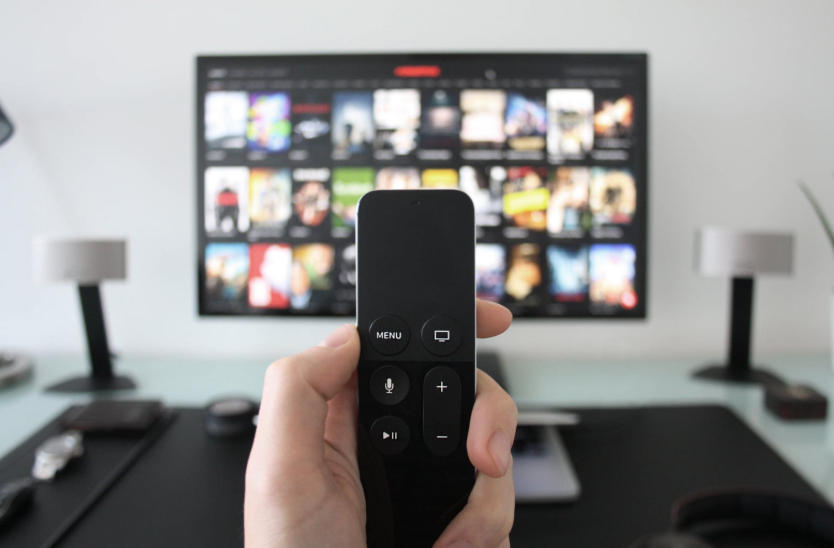
Audiences now face thousands of viewing choices across multiple platforms simultaneously. Instead of limited options, modern entertainment culture often creates decision fatigue.
Many users spend a lot of time browsing without actually choosing anything to watch.
This abundance also shortened cultural attention spans. Because new content appears constantly, shows and movies often cycle through public attention quickly before disappearing beneath newer releases.
Earlier media eras created more shared viewing experiences, partly because audiences had fewer options. Streaming fragmented those experiences into personalized consumption habits.
Entertainment became more abundant but sometimes less culturally unified.
See Why People Love Ranking Things Online for more on sorting endless choices.
Streaming Changed Expectations Permanently
Streaming altered audience expectations around convenience, accessibility, and control so thoroughly that older media habits now feel restrictive to many users.
People expect entertainment to be available immediately, portable across devices, and personalized to individual preference.
The rise of streaming also blurred boundaries between media formats. Television, podcasts, livestreams, short-form videos, and digital creators increasingly compete within the same entertainment ecosystem.
At the same time, streaming accelerated the adoption of passive entertainment habits. Autoplay systems, endless recommendation loops, and continuous availability encourage longer consumption sessions than earlier formats typically allowed.
Entertainment became less tied to schedules and more tied to algorithms, mood, and convenience.
Streaming permanently changed entertainment by transforming media from something audiences accessed occasionally into something that constantly surrounds modern life.
The result is a culture in which entertainment is more personalized, abundant, portable, and immediate than any previous generation has experienced.