The reason why aesthetics go viral online comes down to how quickly visual culture now moves through algorithms, identity, and emotional mood.
One week, the internet becomes obsessed with minimalist neutral interiors. The next, vintage film photography, cottagecore fashion, cyberpunk visuals, or hyper-colorful Y2K design suddenly dominates social media feeds. Online aesthetics rise and spread at a remarkable speed, often becoming cultural phenomena before many people fully understand where they came from.
These aesthetic explosions are not random.
Visual trends spread online because they combine psychology, identity signaling, platform algorithms, emotional mood, and highly shareable imagery. Social media dramatically accelerated the pace of visual culture, turning aesthetics into fast-moving online languages that shape fashion, design, entertainment, and even lifestyle behavior.
Social Media Prioritizes Visual Impact
Modern platforms are heavily optimized around visual engagement.
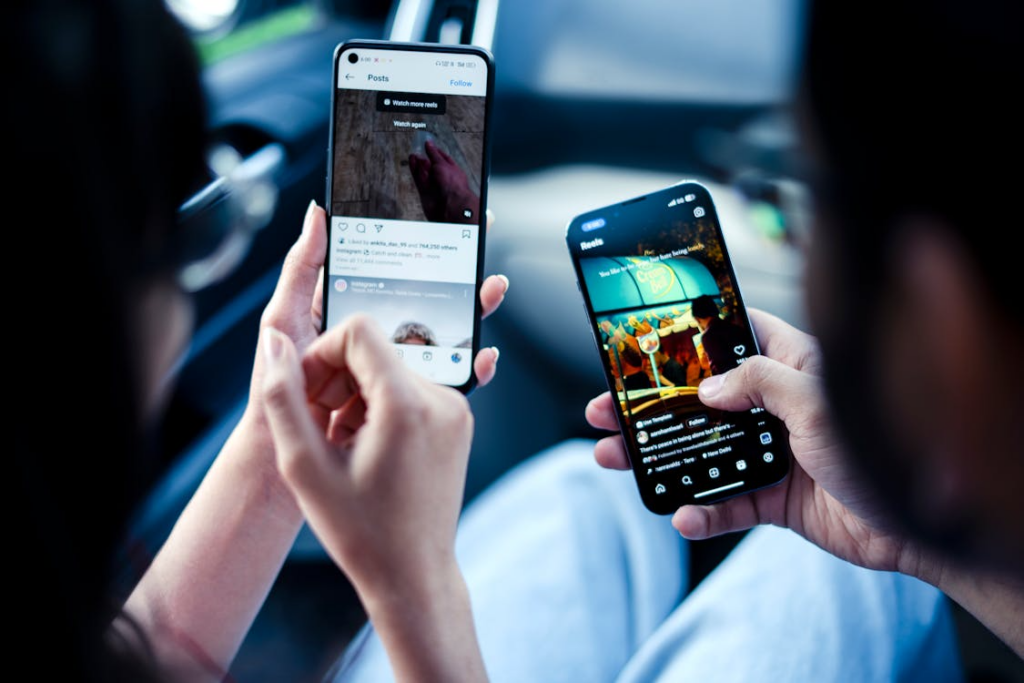
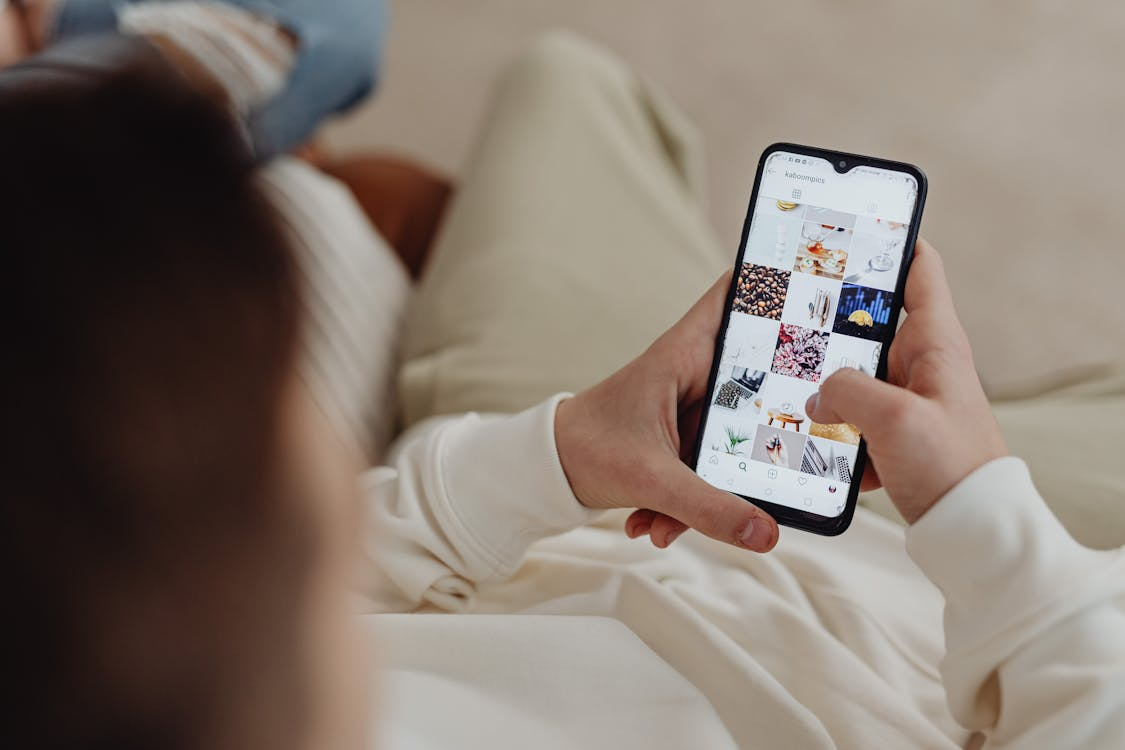
Apps like Instagram, TikTok, Pinterest, and YouTube Shorts reward content that captures attention immediately while users scroll rapidly through crowded feeds.
This creates strong incentives for creators to produce visually distinctive content.
Aesthetics succeed online when they are instantly recognizable, emotionally evocative, and easy to reproduce. Strong color palettes, consistent moods, recognizable fashion elements, and distinctive editing styles help visual trends spread quickly because audiences can identify them immediately.
Visual consistency also helps content perform well in algorithmic rankings because platforms recognize engagement patterns associated with recognizable styles and themes.
The result is a culture where visuals often communicate identity faster than words.
Read How Algorithms Quietly Shape Culture for more on digital influence.
Aesthetics Help People Express Identity
Online aesthetics are rarely just about appearance. They function as forms of self-expression and identity signaling.
People adopt visual styles partly to communicate their personality, mood, values, nostalgia, creativity, or sense of social belonging.
For example, cozy aesthetics may signal emotional comfort and slower living. Minimalist aesthetics often communicate simplicity or intentionality. Retro aesthetics may express nostalgia or cultural taste.
These visual identities become especially important online because digital platforms encourage users to curate their public-facing personal brands constantly.
Aesthetics provide recognizable shorthand for identity in fast-moving digital environments.
This helps explain why aesthetic trends often spread beyond fashion into music, home decor, hobbies, photography, and lifestyle routines simultaneously.
They create complete emotional atmospheres rather than isolated styles.
Explore Why Everyone Wants More Authenticity Online for insight into online identity.
Algorithms Accelerate Visual Trends
Recommendation systems play a massive role in how aesthetics spread online.
When visually cohesive content begins generating strong engagement, algorithms amplify it across feeds and recommendation pages. As more users encounter the style repeatedly, adoption accelerates.
This creates rapid feedback loops in which exposure drives imitation, which in turn creates even more exposure.
Visual trends spread especially efficiently because they require little explanation. Users can instantly recognize and replicate aesthetics through clothing, editing styles, room decor, typography, photography, or color palettes.
Platforms like TikTok and Pinterest are particularly effective at accelerating aesthetics because they emphasize discovery through algorithmic recommendation rather than direct following alone.
As a result, niche styles can explode into mainstream visibility almost overnight.
Nostalgia Strongly Influences Online Aesthetics
Many popular aesthetics draw heavily from nostalgia.
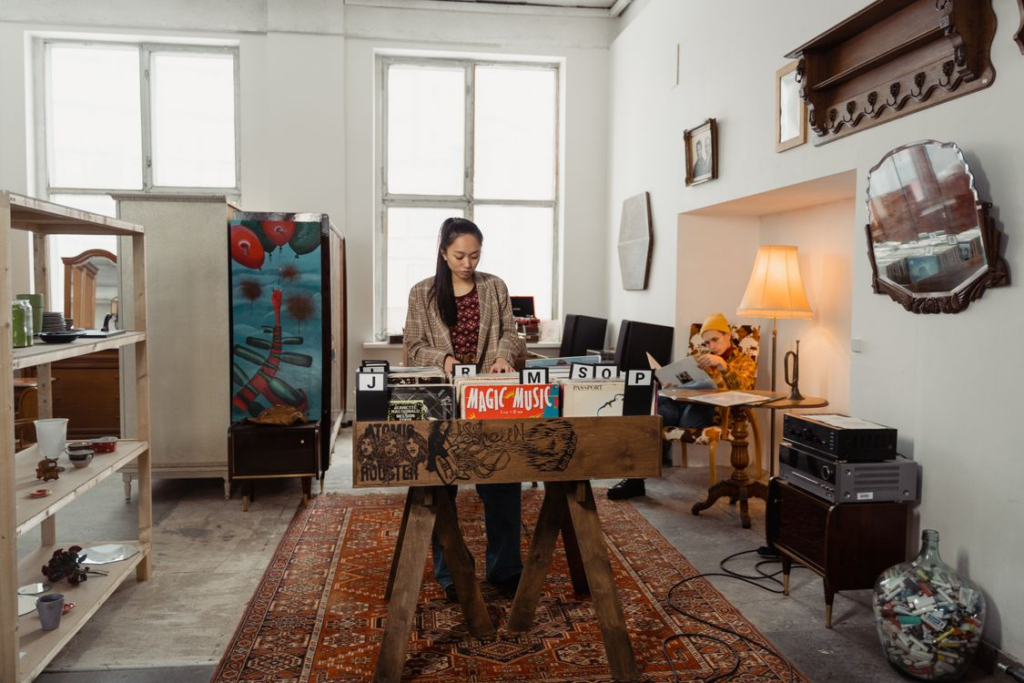
Y2K fashion, retro-gaming visuals, vintage photography styles, early internet graphics, and analog-inspired aesthetics all gained popularity partly because they evoke a sense of emotional familiarity.
Nostalgic aesthetics often feel emotionally comforting during periods of cultural uncertainty or digital fatigue.
The internet also made past eras highly accessible. Younger generations now discover and reinterpret older visual styles through archived media, online communities, and algorithmic recommendations.
Importantly, these revivals are rarely exact reproductions. Online culture often remixes older aesthetics into updated hybrid forms shaped by modern editing tools, social media behavior, and current cultural moods.
The result is a continuous recycling and reinvention of visual culture.
See Why Nostalgia Trends Never Really Disappear for more on recurring cultural styles.
Certain Aesthetics Match Emotional Needs
Aesthetic trends frequently reflect broader emotional climates.
During stressful periods, cozy aesthetics emphasizing warmth, simplicity, comfort, and softness often gain popularity. In highly digital environments, analog-inspired aesthetics may rise because they feel more tactile and human.
Minimalist aesthetics sometimes become popular during periods of overstimulation because they visually represent calm and control.
Dark, futuristic, or hyper-stylized aesthetics may spread during moments of technological fascination or cultural uncertainty.
In other words, aesthetics often express collective emotional desires indirectly.
People are not simply choosing colors or fashion styles randomly. They often respond emotionally to the broader atmosphere of modern life.
Check The Science Behind Why Songs Get Stuck in Your Head for insight into cultural patterns.
Online Aesthetics Burn Out Quickly
One major feature of internet-driven aesthetics is how rapidly it rises and fades.
Because social media constantly rewards novelty, trends spread aggressively but often become oversaturated quickly. Once an aesthetic dominates enough feeds, audiences begin seeking something newer or more distinct.
Commercialization accelerates this process. When brands aggressively adopt a visual trend, many users perceive it as less authentic or culturally exciting.
Fast-moving digital culture has dramatically shortened aesthetic lifecycles compared to earlier decades.
At the same time, older aesthetics rarely disappear completely. Most remain archived online, ready to resurface later through reinterpretation and nostalgia.
This creates overlapping visual eras in which multiple aesthetics coexist and continually recycle.
The internet transformed aesthetics into rapidly evolving cultural ecosystems driven by identity, emotion, algorithms, and visual immediacy.
What explodes online is rarely random. The aesthetics that spread fastest usually align with both platform behavior and deeper psychological moods shaping the culture underneath the screen.